




Do Elastic Laces Stay Tight Running: A Complete Guide
Table of Contents
- How Elastic Laces Work and Stay Tight During Running
- Pros and Cons of Elastic Shoelaces for Runners
- Tension, Foot Stability, and Secure Fit During Training
- Best Elastic Laces for Running: What to Look For
- How to Install No-Tie Laces for Optimal Performance
- Elastic Laces vs. Traditional Laces: When to Make the Switch
- Long-Term Durability and Maintenance for Race Day Readiness
- Frequently Asked Questions
Last Updated: September 24, 2026
How Elastic Laces Work and Stay Tight During Running
Elastic laces stay tight during running because they use stretchy synthetic materials that conform to your foot's shape while maintaining consistent compression throughout your stride. Unlike traditional laces that loosen with each step, elastic laces distribute tension evenly across the shoe's eyelets, creating a secure fit that adapts to foot swelling and movement.
The core mechanism relies on tension that adjusts naturally. As your foot expands during a run, the elastic fibers stretch slightly. When pressure decreases, they contract back. This dynamic response keeps your midfoot locked down without requiring manual retightening.
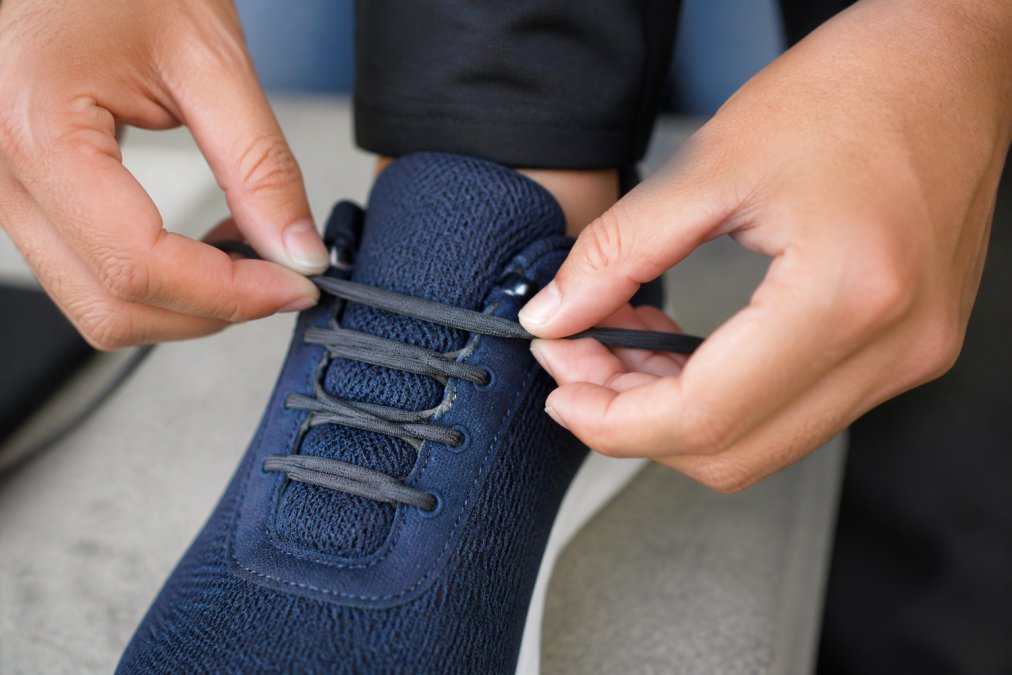
Installation is straightforward. You thread the elastic lace through each eyelet, starting from the toe box and working toward the heel. Once installed, the lace stays in place permanently, no tying needed before each run.
The pressure distribution across elastic laces differs from traditional lacing patterns. Elastic materials spread compression more evenly, reducing pressure points that can cause discomfort during long-distance running. This even distribution supports better foot stability and arch support throughout your training volume.
Pros and Cons of Elastic Shoelaces for Runners
Elastic shoelaces offer genuine advantages for runners seeking convenience and consistent fit, but they come with specific trade-offs worth understanding before switching from traditional laces.
Pros of elastic shoelaces:
- No retying during runs or between workouts
- Customizable fit that adjusts to foot swelling
- Reduced pressure points across the midfoot
- Quick transitions for triathlon and multisport events
- Prevents dangling laces from catching on debris
- Easy slip-on convenience for busy mornings
- Works with most shoe models and widths
The biggest advantage is time savings. Athletes in triathlon or those juggling multiple activities appreciate not fumbling with laces. Morning routines become faster, especially for parents managing children's shoes.
Cons of elastic shoelaces:
- Initial installation requires proper technique
- May feel loose if not tensioned correctly during setup
- Synthetic materials may wear with heavy training volume
- Limited customization compared to traditional lacing patterns
- Some runners report less precise midfoot lockdown
- Replacement cost higher than standard shoelaces
- Not ideal for runners needing extreme customization
The durability question matters if you run high mileage. Elastic fibers can degrade from UV exposure and repeated stretching. Heavy training volume can accelerate wear.
| Aspect | Elastic Laces | Traditional Laces |
|---|---|---|
| Setup Time | One-time installation | Tie before each run |
| Fit Adjustment | Adapts automatically | Manual retying needed |
| Heel Slippage | Minimal with proper tension | Common during runs |
| Durability | 12-24 months typical | |
| Cost | $14.99 per pair | $3-8 per pair |
| Customization | Limited | Highly customizable |
Tension, Foot Stability, and Secure Fit During Training
Proper tension in elastic laces directly impacts foot stability and how securely your shoe stays on during intense training. The relationship between tension and performance is more nuanced than simply pulling tight.
Foot stability depends on even compression across the midfoot and arch support. Elastic laces provide this through their natural stretch properties. As your foot lands and pushes off, the elastic gives slightly, then returns to baseline tension. This cycle supports your gait cycle without creating the rigid lockdown that some runners find uncomfortable.
Heel slippage occurs when tension is insufficient or unevenly distributed. Proper installation prevents this by ensuring the lace threads through all eyelets without gaps. Test your installation by attempting to pull your heel up inside the shoe, there should be minimal movement.
Arch support from elastic laces works differently than traditional lacing. Instead of creating pressure points, elastic materials distribute support across a broader area. Runners with high arches often report that elastic laces provide more comfortable arch support during long training sessions.
Vascular comfort matters, especially for runners prone to foot swelling. Elastic laces accommodate swelling that occurs naturally during runs without requiring mid-run adjustments. Your foot expands roughly 5-7% during extended training, and elastic materials handle this expansion gracefully.
Best Elastic Laces for Running: What to Look For
Choosing the right elastic laces requires understanding what features actually impact performance versus marketing claims. Several factors separate quality options from mediocre ones.
Material quality is the primary differentiator. Look for durable synthetic fibers that resist UV degradation and repeated stretching. Premium elastic maintains tension longer than budget alternatives. uLace ProFormance laces use high-quality synthetic materials engineered specifically for running performance, available in multiple colors including Black, White, Royal Blue, and Scarlet Red at $14.99 per pair.

Locking mechanism design varies significantly between brands. Some use heel locks, others use midfoot compression systems. Test how securely the mechanism holds under your specific running conditions. Maintaining this level of stability allows you to focus on other essential running gear, such as headwear that keeps your vision clear during intense efforts.
uLace ProFormance - Performance No-tie →
Eyelet compatibility matters more than many runners realize. Elastic laces work best with shoes featuring standard eyelets. Shoes with very small eyelets or specialized lacing systems may not accommodate elastic laces properly.
How to Install No-Tie Laces for Optimal Performance
Installing elastic laces correctly determines whether they'll stay tight or slip during your runs. The process takes 5-10 minutes and requires only your hands and the laces themselves.
Step 1: Remove your old laces
Step 2: Start at the toe box
Step 3: Use the push-and-pull method
Step 4: Progress toward the heel
Step 5: Secure at the heel
Step 6: Test the fit
Elastic Laces vs. Traditional Laces: When to Make the Switch
The decision between elastic laces and traditional laces depends on your running goals, foot characteristics, and lifestyle priorities. Neither option is universally superior, the best choice matches your specific situation.
Choose elastic laces if you:
- Run shorter distances (5K to half-marathon) where convenience matters most
- Value quick transitions in triathlon or multisport training
- Have difficulty bending or tying due to arthritis or mobility limitations
- Want to eliminate mid-run lace adjustments
- Prioritize consistent fit over maximum customization
- Run multiple times weekly and want to save time
Choose traditional laces if you:
- Run ultramarathons requiring extreme customization
- Need maximum control over pressure distribution
- Prefer maximum durability and cost-effectiveness
- Enjoy the ritual of lacing before runs
- Run infrequently enough that durability isn't a concern
- Have very specific lacing patterns that work for your feet
Long-Term Durability and Maintenance for Race Day Readiness
Elastic laces degrade over time, but understanding the wear process helps you maximize their lifespan and know when replacement is necessary.
Maintenance practices extend lifespan:
- Store shoes in cool, dark places away from direct sunlight
- Rinse laces with water after muddy runs to prevent debris buildup
- Allow shoes to dry completely before storing
- Avoid excessive heat exposure near radiators or in hot cars
- Inspect laces monthly for visible wear or color changes
Signs of replacement need:
- Laces feel consistently loose despite retightening
- Visible fraying or fiber separation
- Loss of stretch, laces no longer rebound after stretching
- Heel slippage returning after proper installation
- Color fading significantly from original shade
Frequently Asked Questions
Do elastic laces really stay tight during running?
Yes, elastic laces maintain tension throughout your run when properly installed. The stretch fibers compress around your foot, creating consistent pressure distribution that adapts as your foot swells during training. Unlike traditional laces that loosen with foot movement and impact, elastic laces provide midfoot lockdown that keeps your shoe snug without requiring retying. However, tension does gradually decrease over months of heavy use, similar to how elastic materials naturally lose elasticity over time.
How do I know if elastic laces will work with my shoe type?
Elastic laces work with most sneaker styles featuring standard eyelets, including running shoes, casual trainers, and athletic footwear. They're especially effective for shoes with 5-8 eyelets. If you have wide feet or high arches, elastic laces actually offer an advantage because they stretch to accommodate your foot shape without forcing you to unlace and relace. Check that your shoes have traditional eyelets (not hooks or specialized lacing systems) before purchasing. If unsure, uLace ProFormance laces come with a satisfaction guarantee.
What's the difference between elastic laces and traditional shoelaces for running?
Elastic laces provide hands-free convenience and consistent tension without the need to retie, while traditional laces require periodic retightening as they loosen during activity. Elastic laces eliminate heel slippage and offer customizable fit through proper installation tension. Traditional laces give you more precise control over pressure distribution but demand more attention during training. For marathon and triathlon athletes, elastic laces reduce the quick transition time at aid stations and prevent the foot swelling issues that come from retying tight knots.
How long do elastic laces last compared to regular shoelaces?
Quality elastic laces can offer good durability with regular running use. The durable synthetic materials are designed to resist fraying and breakage. Over time, elastic fibers may gradually lose some compression, which is normal for elastic products. Regular maintenance, such as rinsing them occasionally and avoiding excessive heat, can help extend their lifespan. Many runners choose to replace their laces periodically to maintain optimal tension and performance.