

Do Moisture-Wicking Mid-Calf Socks Really Help?
Last Updated: November 17, 2026
Quick Summary
Moisture-wicking mid-calf socks help by pulling liquid sweat away from your skin to the fabric surface, where it can evaporate, while the taller cuff covers more of the lower leg. Height mainly changes coverage and fit, not the wicking itself. Their benefit depends on matching the sock to your activity and footwear.
- Moisture-wicking fabric draws sweat outward along the yarn so it can dry faster.
- Synthetic fibers like polyester and nylon hold less water inside the fiber, helping moisture travel.
- Mid-calf cuffs sit a few inches above the ankle bone and cover more of the lower leg.
- Taller cuffs help under boot collars, where boot rub concentrates on long approaches.
- A cuff that is too tight can restrict circulation and leave a visible band on the calf.
Table of Contents
- What Moisture-Wicking Mid-Calf Socks Are
- How Moisture-Wicking Fabric Keeps Feet Drier
- Benefits of Mid-Calf Height During Activity
- Best Moisture-Wicking Socks for Work and Long Shifts
- Materials Compared: Merino, Synthetic, and Blends
- Choosing the Best Moisture-Wicking Socks for Your Needs
- Limits of the Claims and Where to Start With COLR Mid-Calf Socks
- Frequently Asked Questions
What Moisture-Wicking Mid-Calf Socks Are
Benefits of wearing moisture-wicking mid-calf socks come down to two things: the fabric that pulls sweat away from your skin and the height that covers more of the lower leg. Moisture-wicking socks are knit from fibers that move liquid sweat outward toward the surface of the fabric, where it can evaporate, rather than soaking in and staying against your skin. Mid-calf socks sit a few inches above the ankle, covering more of the lower leg than a standard ankle sock.
Many shoppers wonder whether height changes anything or whether it is just a style choice. Height mainly changes coverage and fit, not the wicking mechanism itself.
How Moisture-Wicking Fabric Keeps Feet Drier
Moisture-wicking fabric works through capillary action. Yarn fibers and the spaces between them draw sweat along the surface of the sock, spreading it out so it can dry faster. Synthetic fibers such as polyester and nylon are commonly used because they hold less water inside the fiber itself, which helps moisture travel rather than sit.
Benefits of Mid-Calf Height During Activity
Mid-calf height changes where the sock ends. The cuff sits a few inches above the ankle bone.
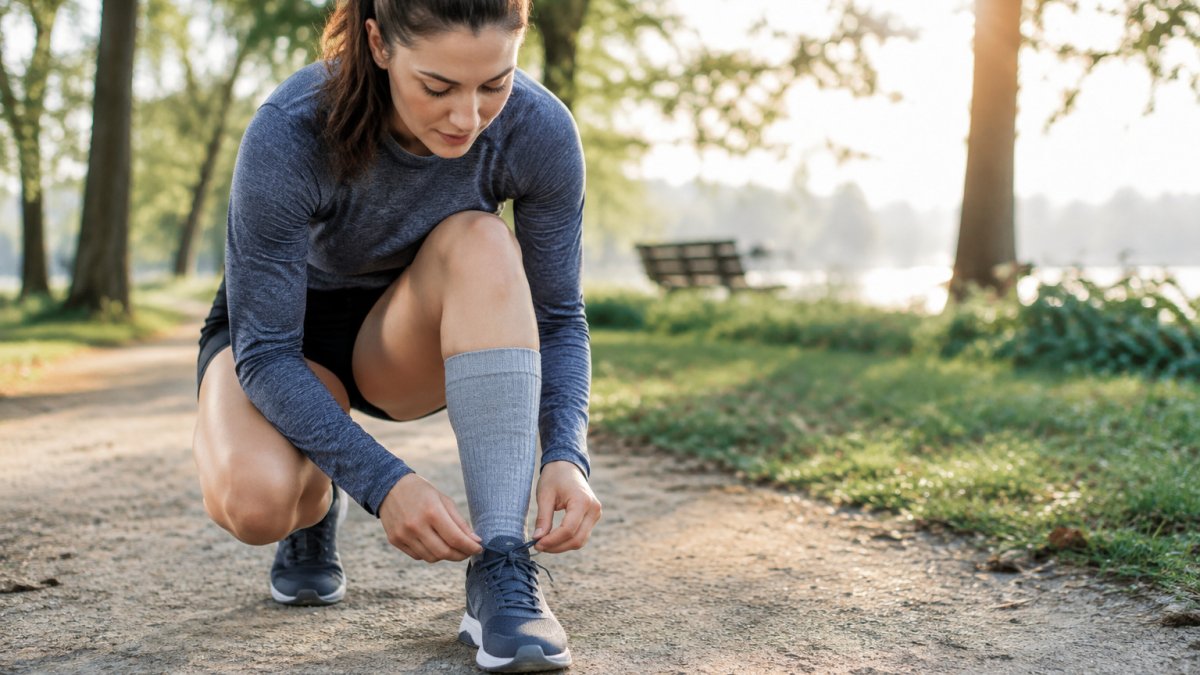
Different users feel this differently:
- Runners and trail runners: The cuff stays above the shoe collar on steep descents, when the heel drops and the ankle angle changes most. That reduces the chance of the collar sawing at the ankle on long downhills.
- Hikers and boot wearers: Boot collars are taller and stiffer than running shoe collars. A mid-calf sock puts wicking fabric between the boot collar and the shin, which is where boot rub concentrates on long approaches.
- Workers in safety boots: Eight-plus hours in an enclosed boot means the collar presses in the same spot all day. Mid-calf coverage keeps fabric there and gives the cuff enough length to stay up when the wearer crouches, climbs, or drives.
- People who stand for long periods: Standing does not flex the ankle much, but it does keep the foot pressed against the shoe. A taller sock reduces the gap at the collar where grit collects and where damp fabric would otherwise sit against skin.
- Travelers: Long sits in planes, trains, and cars swell the feet. A mid-calf cuff that is snug but not tight stays in place as the foot changes size, while an ankle sock tends to slip under the heel.
Match the height to the footwear you wear.
Best Moisture-Wicking Socks for Work and Long Shifts
Watch out: a cuff that is too tight can restrict circulation and leave a visible band on the calf by the end of the day. Choose a fit that holds the sock up without digging in.
Materials Compared: Merino, Synthetic, and Blends
| Material | Moisture Handling | Odor Resistance | Durability | Care Notes | Best For |
|---|---|---|---|---|---|
| Merino wool | Absorbs vapor, releases slowly, feels dry | Strong | Moderate; abrasion-prone | Cool wash, air dry, avoid heat | Changing temperatures, multi-day wear, all-day comfort |
| Polyester | Moves liquid fast, dries quickly | Low on its own | Moderate; pills with abrasion | Machine wash warm, tumble low | Running, high-sweat activity, hot conditions |
| Nylon | Dries fast, low absorbency | Low on its own | High | Machine wash, holds shape | Reinforced heels and toes, frequent washing |
| Spandex | Minimal; adds stretch | Neutral | High elasticity | Avoid high heat | Cuff recovery, fit retention |
| Blend | Balanced | Good to strong depending on merino share | High | Follow the most delicate fiber's care | Everyday, work, and mixed use |
Watch out: a high merino percentage is not automatically better. In high-abrasion zones like the heel and toe, a pure merino sock can wear through faster than a blend with nylon reinforcement, so check where the nylon is placed, not just the headline fiber. The same attention to reinforcement and fabric durability matters in training shirts, where moisture-wicking performance is only useful if the garment holds up, as Russ Club notes.
Choosing the Best Moisture-Wicking Socks for Your Needs
Start by matching the sock to your activity and your shoe. Heavy sweaters usually benefit from a synthetic or high-synthetic blend, while people who feel cold in damp conditions may prefer merino. Check the cuff height against your footwear: a mid-calf sock should sit comfortably under the top of your boot without slipping.
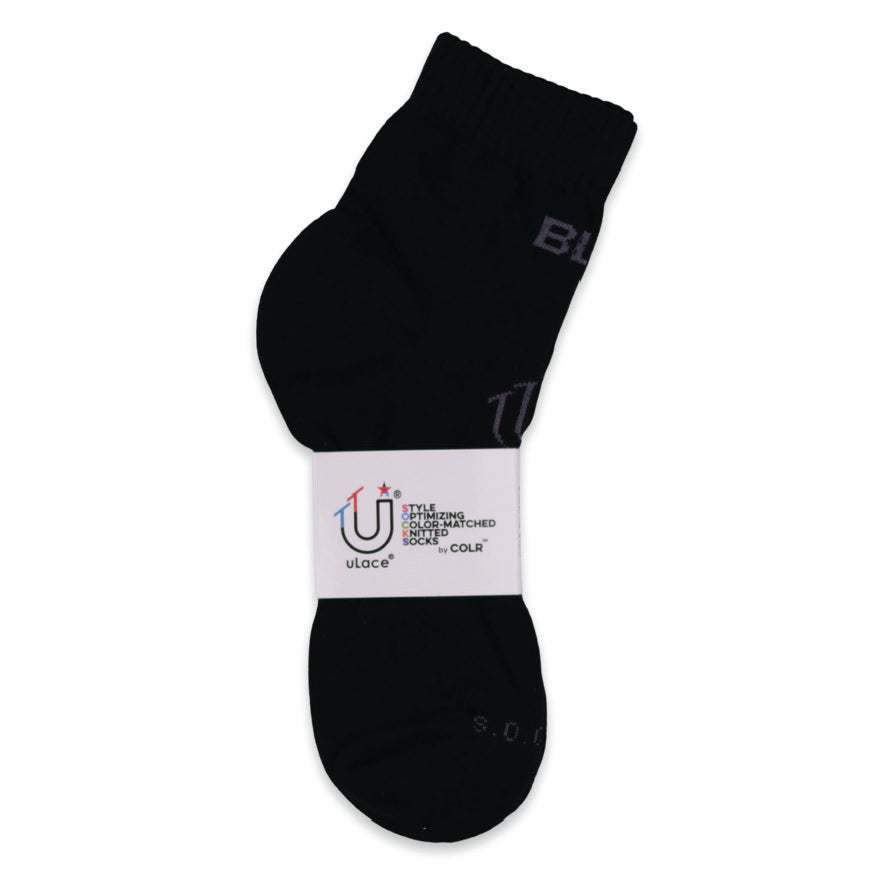
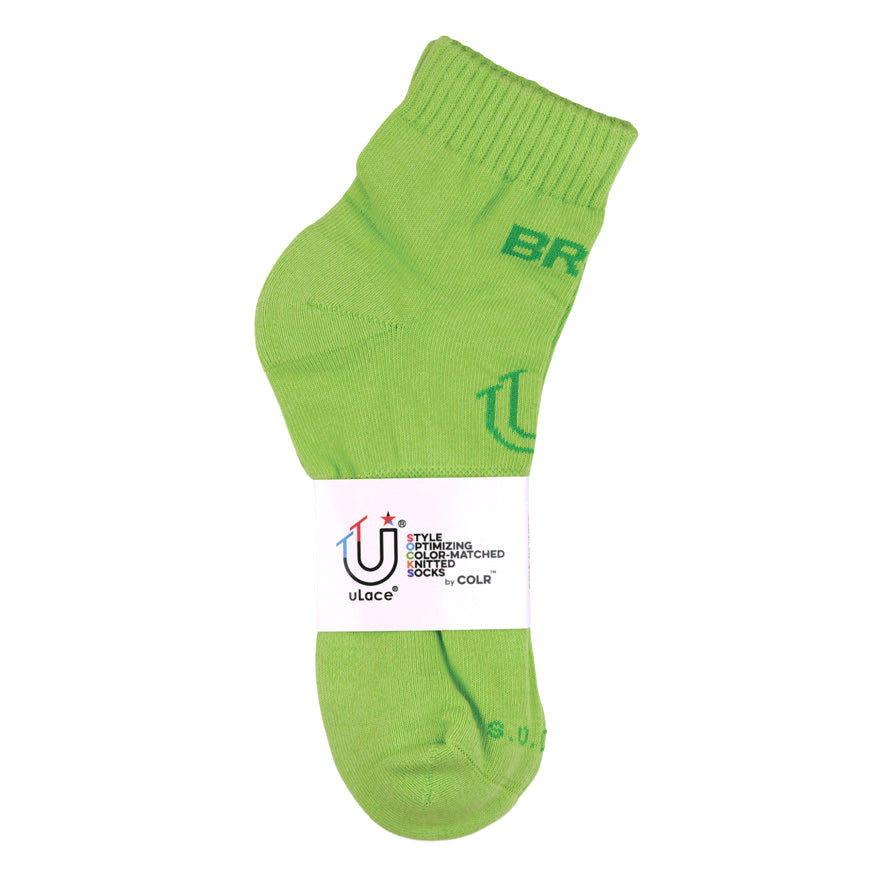
Among the options in our current lineup, the COLR By uLace Mid-Calf Socks come in several colors, including Black for an everyday neutral look and Bright Green if you want a bolder pick. Each is priced at $9.99.
Limits of the Claims and Where to Start With COLR Mid-Calf Socks
Fit, activity level, and shoe choice all shape how much difference you will notice.
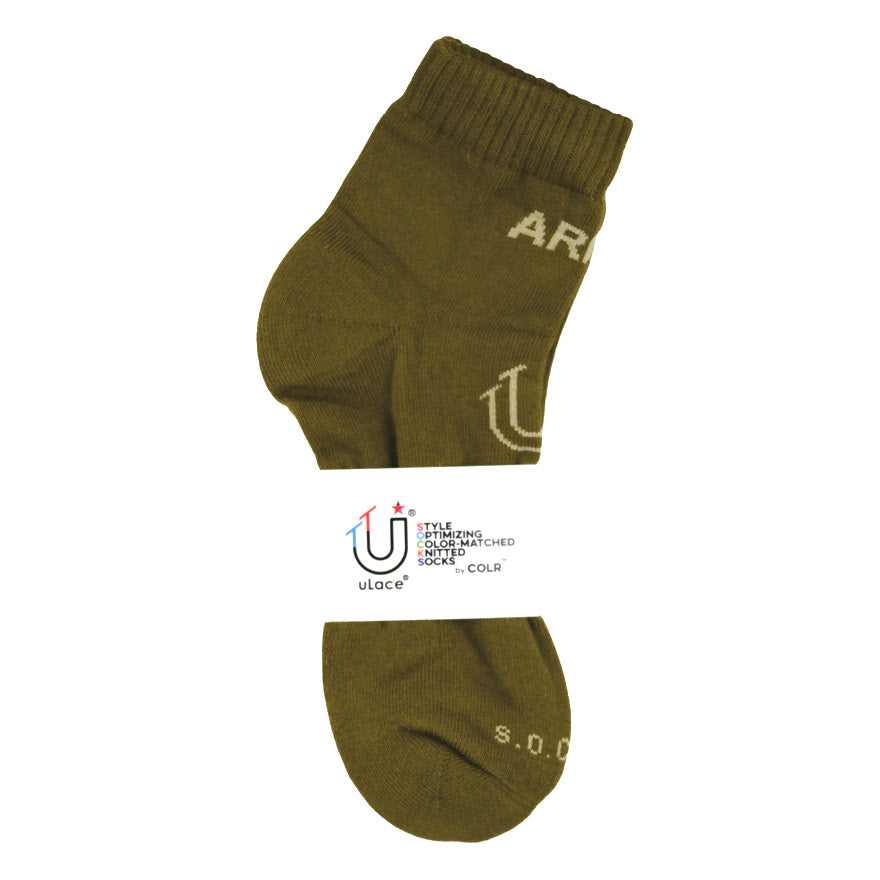
If you are starting with COLR, the Canary Yellow and Army Green options give you a good sense of how the mid-calf fit feels before you commit to a full set.
Frequently Asked Questions
Do moisture-wicking socks actually work?
Moisture-wicking socks move sweat from the skin toward the outer layer of the fabric, where it can evaporate, which helps keep feet drier than cotton socks that hold moisture. The effect depends on fiber, fabric construction and how much you sweat, so results vary between people. They reduce the damp feeling that can contribute to rubbing and odor, but they do not cure sweaty feet or replace proper footwear, and no sock can fully control heavy perspiration on its own.
Are mid-calf socks suitable for work and exercise?
Yes, mid-calf socks suit both settings. Their extra length covers the ankle and lower calf. For work, choose a pair that sits without slipping. For exercise, look for cushioned sole areas and a snug fit so the sock does not bunch. Pairing a moisture-wicking mid-calf sock with breathable footwear gives the most consistent results.
How should moisture-wicking socks fit?
A good fit is snug around the arch and heel without pinching the toes. There should be no wrinkling or gaps at the heel, and the cuff should stay in place when you walk or run. Socks that are too loose can slide and create friction, while socks that are too tight restrict circulation. If you have wider feet, check the size chart carefully before buying, since sizing varies by brand.
What materials are best for moisture-wicking socks?
Synthetic fibers such as polyester and nylon are common because they move moisture quickly and dry fast. Merino wool wicks moisture well, resists odor and regulates temperature across a range of conditions, though it dries more slowly than synthetics. Blends combine both approaches, adding durability and stretch. Cotton absorbs moisture and holds it, so it is generally a poor choice for moisture management during sweaty activity.
