




Lock Laces vs Elastic Lace Brands: Which Wins?
Table of Contents
- Lock Laces vs Elastic Lace Brands: How the Categories Differ
- Lock Laces vs Xpand Laces: Two Locking Approaches Side by Side
- The Best Elastic Shoelaces for Fit, Comfort, and Price
- The Best No-Tie Shoelaces for Running and Race Day
- No-Tie Shoelaces for Seniors and Limited Dexterity
- Installation, Sizing, and Troubleshooting Your Elastic Laces
- Durability, Replacement Cost, and Long-Term Value
- Which Elastic Lace Style Fits Your Shoes and Routine?
- Frequently Asked Questions
Last Updated: October 17, 2026
Lock Laces vs Elastic Lace Brands: How the Categories Differ
The no-tie lace market splits into two design families, and the difference shapes how a shoe fits. Lock Laces vs elastic lace brands is a question about fastening systems, not brand loyalty. This uLace guide breaks down both so you can match the right elastic lace brands to your shoes.
**Lock Laces is a lacing brand built around a spring-loaded locking mechanism paired with a thin elastic cord.
Locking Systems vs Stretch-and-Slot Designs
A locking mechanism works like a drawstring: pull the cord through a plastic or metal lace lock, slide the toggle to set tension, and trim the excess. Release the toggle and the lace loosens in one motion.
Stretch-and-slot designs skip the toggle entirely. The lace threads through eyelets and anchors into a fixed pattern, and the elastic cord does the work.
Lock Laces vs Xpand Laces: Two Locking Approaches Side by Side
Both brands sit in the locking-system camp, so the comparison comes down to execution. Lock Laces uses a spring-toggle lock with a flat elastic cord and a trim-to-length install. Xpand Laces uses a similar locking concept with its own cord and anchor hardware.
A common mistake is assuming all locking laces feel the same. Cord width, stretch retention, and anchor shape change how pressure sits across the instep, differences that show up after weeks of wear.
What Actually Differs Between the Two Locking Systems
- Lock mechanism: both use a slide toggle, but spring tension and housing shape differ. A stiffer spring holds tension longer; a softer spring releases easier one-handed. Lock Laces' toggle is more widely recognized, so replacements are easier to source.
- Cord construction: both use a flat elastic cord, but width affects pressure distribution. A wider cord spreads load across the instep; a narrower cord concentrates it. With a high instep, check cord width before brand name.
- Anchor hardware: the anchor decides whether the lace pulls the heel down or just cinches the midfoot, the single biggest driver of heel slip. A low, rear-set anchor draws the heel back; a high anchor leaves the heel loose.
The Fit-Security Test That Separates Them
Before committing to either locking brand, run the same three checks on both:
- Heel draw: lace the shoe, set tension, then try to lift your heel out without untying. If it lifts more than a finger's width, the anchor sits too high for your foot volume.
- Instep pressure: press two fingers under the laced path across the top of your foot. A hard ridge at one eyelet means the cord is too narrow or tension is concentrated, redistribute rather than tighten.
- Toggle hold: set tension, then flex your foot hard ten times. If the toggle creeps, the spring is not holding your preferred tension and you will re-seat it mid-run.
Brand matters less than anchor placement and cord width once these checks are run. A well-placed anchor on either system beats a poorly placed anchor on the other.
When Neither Locking Brand Is the Right Answer
For a neutral look and no hardware at the top of the shoe, a stretch-and-slot design is the better fit, the gap uLace was built to fill. Locking systems earn their place when you genuinely re-tighten during use: race transitions, swelling feet on long runs, or shoes shared between wearers. If tension is set once and stays put, the toggle is a component you pay for without using.
The Best Elastic Shoelaces for Fit, Comfort, and Price
The best elastic shoelaces balance three things: even pressure distribution, a secure fit that does not slip, and a sensible price across multiple pairs. Stretch-and-slot laces tend to win on comfort because the cord spreads tension across the whole lacing path instead of concentrating it at one lock point.
Here is how the uLace lineup compares across styles and price:
| Style | Price | Best For | Look |
|---|---|---|---|
| uLace Classic | $6.49 | Everyday sneakers, first-time buyers | Clean, traditional lace pattern |
| uLace Slims | $5.99 | Low-profile and slim sneakers | Narrow, minimal profile |
| uLace Shorts | $12.99 | Classic styled sneakers | Short, tidy finish |
| uLace ProFormance | $14.99 | Running and athletic use | Performance-focused build |
Runner's World's 2026 elastic shoelace roundup notes that secure fit and ease of use are the two qualities experts weigh most heavily, which matches what we hear from customers.

uLace ProFormance, Classic, Shorts, and Slims Compared
uLace Classic is the entry point at $6.49, turning standard sneakers into slip-ons with a push-and-pull install.
uLace Slims at $5.99 suits narrow eyelet spacing and low-profile shoes.
uLace Shorts at $12.99 suits classic styled sneakers that need a shorter, tidier finish with no dangling ends.
uLace ProFormance at $14.99 is the athletic option, built for running and training where stretch retention and secure fit matter most.
uLace ProFormance no-tie laces

The Best No-Tie Shoelaces for Running and Race Day
For running, the priority order is secure fit, then stretch retention, then ease of use.
Best no-tie shoelaces for running come down to two approaches.
Heel slip is the failure mode to watch for.
Triathlete's guidance on when not to use elastic shoelaces flags that elastic laces are not right for every use or wearer, and that is worth taking seriously.
uLace ProFormance - Performance No-tie Laces - Black →
No-Tie Shoelaces for Seniors and Limited Dexterity
No-tie shoelaces for seniors solve a specific problem: bending over to tie laces is difficult, and untied laces are a trip hazard.
Limited dexterity changes the requirements.
One customer told us: "I'm 72 and it's hard for me to bend over all the time to tie my shoelaces.
Fit security is the reasonable worry here. A stretch-and-slot pattern holds the ankle without a tight lock point, so the shoe stays on without pinching.
Installation, Sizing, and Troubleshooting Your Elastic Laces
Installation is where most elastic laces go wrong, and the failure is almost always sizing, not the lace itself. Lace length and lace width determine whether the finished pattern holds tension or sags.
- Measure the old lace: pull it out and measure end to end, then match the replacement to that length
- Check eyelet count: more eyelets need more lace; count before you order
- Thread, do not force: elastic cord should slide through eyelets with light resistance
Common problems and fixes:
| Problem | Likely Cause | Fix |
|---|---|---|
| Shoe feels loose | Anchor spacing too wide | Move anchors closer together |
| Pressure point on instep | Cord too tight at one eyelet | Redistribute tension across the pattern |
| Heel slip | Anchor points sit too high | Lower the rear anchor |
| Lace looks slack | Cord too long for eyelet count | Resize to the correct length |
Durability, Replacement Cost, and Long-Term Value
Durability in elastic laces comes down to how well the cord retains stretch and how the hardware holds up. Cords that lose stretch retention sag, and a sagging lace no longer holds a secure fit, the failure mode to plan around.
How Elastic Laces Actually Fail
- Stretch loss: elastic cord loses recovery over repeated stretch cycles. The first sign is a lace that feels loose at day's end but tight in the morning. Once recovery is gone, re-tightening will not restore the fit.
- Fraying at the trim point: the cut end of a locking-system cord is the most common fray point. A clean cut and a seated lock delay it; a ragged cut accelerates it.
- Lock wear: spring toggles lose holding tension over time. A creeping toggle needs replacing, and replacement availability varies by brand.
Replacement Cost Math
Replacement cost is where the category math gets interesting. A single pair of uLace Classic runs $6.49 and covers one pair of shoes.
To judge value rather than upfront price, compare three numbers per pair:
- Price per pair, the sticker cost, which favors stretch-and-slot designs at entry level.
- Expected lifespan, how long the cord holds recovery under your use pattern. Everyday walking wears cord far more slowly than daily running.
- Replacement availability, whether you can buy a single lock or cord, or must buy a full set. Locking systems add a component that can fail; stretch-and-slot designs have no toggle to lose.
A useful rule: divide price per pair by the months you expect to wear them. A $6.49 pair that lasts a year costs about 54 cents a month. A $14.99 athletic pair that lasts two years of running costs about 62 cents a month.
Long-Term Value by Use Case
Long-term value favors stretch-and-slot designs for everyday wear, since there is no toggle to lose or replace. Locking systems cost more per pair and add a component that can fail, but earn it back if you need on-the-fly adjustment.
Dataintelo's shoelace market forecast projects steady growth in the overall shoelace market through 2034, which tracks with what we see: more households are moving away from tie laces entirely.
Which Elastic Lace Style Fits Your Shoes and Routine?
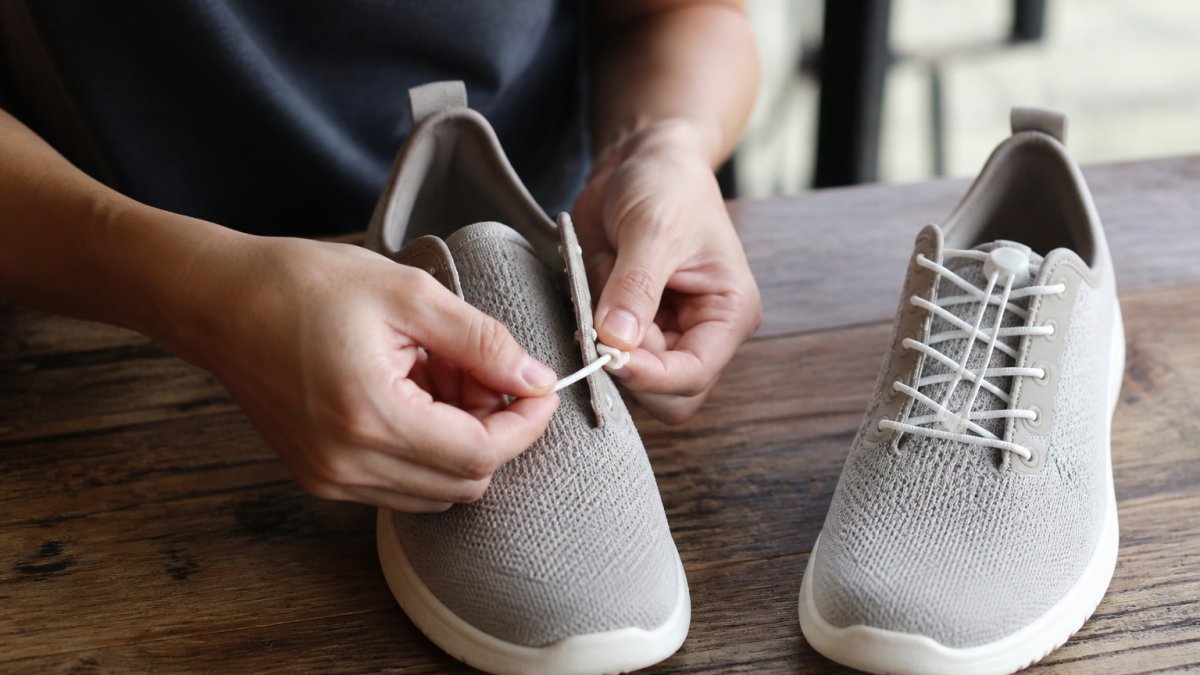
The right style depends on how you use your shoes, not on which brand markets loudest.
- Running and training: uLace ProFormance for stretch retention and a secure fit
- Everyday sneakers: uLace Classic for the best balance of price and look
- Classic styled sneakers: uLace Shorts for a tidy, short finish
If you want per-zone pressure control or tighten laces several times a day, a locking system earns its place.

Frequently Asked Questions
What are the best elastic laces for everyday sneakers?
It depends on how you want the lace to behave. Locking systems use a cord plus a sliding lace lock, so you can re-tighten in a second during activity. Stretch-and-slot designs like uLace Classic ($6.49) and uLace Shorts ($12.99) thread through the eyelets and stay put without a toggle, which keeps the look clean and the fit consistent. Both categories work; pick the one whose adjustment style matches your day.
Are Lock Laces or Xpand Laces better?
Both sit in the locking-system camp: an elastic cord, a lace anchor at the bottom eyelet, and a sliding lace lock you push to tighten. The practical differences come down to cord thickness, how the anchor sits against your shoe, and the color range. Neither brand publishes head-to-head test data, so treat marketing claims as marketing. Try one pair on the shoe you wear most, check for heel slip after a walk, and judge from there. If you want a toggle-free alternative, a stretch-and-slot lace is the other option worth testing.
Are elastic laces good for running?
They can be, with one caveat. Elastic laces give you quick release, no dangling ends, and fast race transitions, which is why triathletes use them. The trade-off is pressure control: standard laces let you tighten different parts of the foot separately, while elastic laces do not offer the same per-area adjustment. For training and casual runs, a performance-oriented elastic lace works well. For long distances where you fine-tune mid-run, test before you commit.
What are the best no-tie shoelaces for seniors?
Look for a lace that installs once and never needs tying again. uLace Classic at $6.49 is the lowest-cost way to convert a pair of sneakers into slip-ons, and uLace Shorts at $12.99 suits classic-styled sneakers. One customer, age 72, said bending to tie laces had become difficult and now simply slips a foot in. Check that the lace length matches your eyelet count, since too long a lace leaves slack and too short a one will not reach the top eyelet.
How long do elastic laces last, and what does replacement cost?
Stretch retention is the thing that wears out first, not the cord itself. Expect a set to hold its snap through months of daily wear; heat, UV, and constant over-stretching shorten that. Replacement is cheap relative to the shoe: uLace Slims start at $5.99, Classic at $6.49, Shorts at $12.99, and ProFormance at $14.99. Buy a spare set when you reorder.
Choosing laces should not require a spreadsheet. If you want to skip the toggle, the tail, and the re-tying, uLace makes no-tie laces that install in minutes and hold a secure, stretchy fit all day. Our Classic, Slims, Shorts, and ProFormance styles cover everyday sneakers, slim profiles, and athletic shoes, and every order is backed by the uLace Guarantee. Take the quiz to find your style, then get started with uLace and turn the sneakers you already love into hassle-free slip-ons.