




Easy Fasten Shoes for Parkinson's: 5 Top Options
Table of Contents
- Why Footwear Matters for Parkinson's Disease
- Key Features to Look for in Easy Fasten Shoes
- How to Choose Shoes for Parkinson's: What Actually Works
- No-Tie Shoelaces for Sneakers: A Game-Changer for Accessibility
- 1. uLace Classic - Black: The Reliable Everyday Choice
- 2. uLace Kiddos - Medium Grey: Lightweight Support for All Ages
- 3. uLace ProFormance - Performance No-Tie Laces: Stability for Active Days
- 4. uLace Shorts - Black: Extra Comfort and Security
- Frequently Asked Questions
Last Updated: September 25, 2026
Why Footwear Matters for Parkinson's Disease
Parkinson's disease affects mobility in ways that extend far beyond tremors and rigidity. One of the most overlooked challenges is footwear, specifically finding easy fasten shoes parkinson's patients can manage without help. When motor control deteriorates, tying laces becomes frustrating, unsafe, and sometimes impossible. This is where easy fasten shoes for Parkinson's disease make a tangible difference in daily independence and safety.
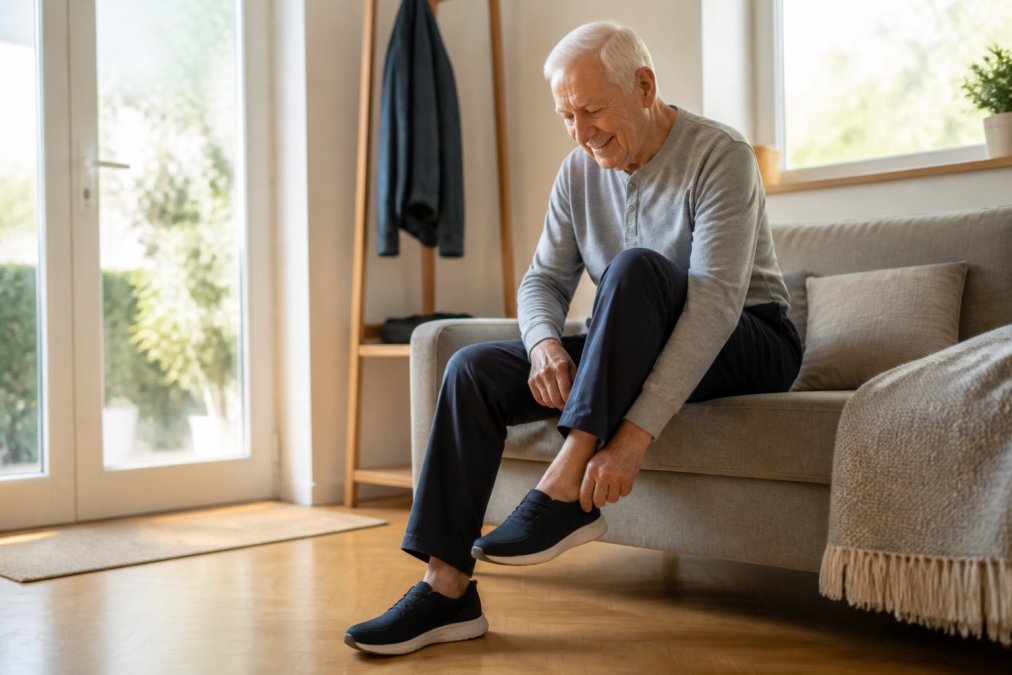
The right footwear addresses multiple neurological challenges at once. Gait stability suffers as Parkinson's progresses, shuffling gait, freezing of gait, and balance control issues increase fall risk significantly (Prevention of Falls in Parkinson's Disease: Guidelines and Gaps). Tremor-friendly shoes with firm heel counters and a wide base provide the ground feel and proprioception needed to walk with confidence. But none of that matters if you can't get the shoes on without help.
Easy closure mechanisms, slip-on designs, zippers, and hook-and-loop fasteners, eliminate the dexterity barrier entirely. No bending. No fumbling with laces. No dependence on a caregiver for something as basic as getting dressed. That independence matters psychologically as much as it does physically.
Key Features to Look for in Easy Fasten Shoes
When evaluating easy fasten shoes parkinson's patients need, focus on the biomechanical features that actually prevent falls and improve mobility. Not every slip-on shoe is designed with neurological conditions in mind.
Heel Counter Firmness: A firm heel counter keeps your foot stable inside the shoe. This is critical for preventing ankle roll during shuffling gait or when balance falters. Look for structured heel cups, not soft, collapsing heels that offer zero support.
Wide Base and Ground Feel: Shoes with a wider footprint provide better proprioception, your brain's sense of where your feet are in space. This matters enormously when freezing of gait or tremor disrupts normal walking patterns. Ground feel (how much feedback you get from the surface below) helps compensate for reduced motor control.
Slip-Resistant Tread Pattern: A good tread grips tile, hardwood, and outdoor surfaces without being so aggressive it catches on carpet. Slip-resistant soles reduce fall risk in the bathroom and kitchen, where most falls happen.
Orthotic Compatibility: Many people with Parkinson's benefit from custom orthotics or insoles for additional arch support and alignment. Make sure the shoe has removable insoles and enough depth to accommodate them without cramping your foot.
Fastening Options: Slip-on designs, zippers, and hook-and-loop closures all work. What matters is that you can fasten them independently without fine motor precision. Elastic laces offer a middle ground, they transform sneakers you already own into slip-ons without the bulk of specialty shoes.
| Feature | Why It Matters | What to Check |
|---|---|---|
| Heel counter | Stabilizes ankle during gait changes | Firm, structured cup (not soft) |
| Wide base | Improves balance and ground feel | Wider footprint than standard shoes |
| Tread pattern | Prevents slipping on wet surfaces | Adequate grip without catching |
| Orthotic fit | Accommodates custom insoles | Removable insoles with depth |
| Easy closure | Enables independence | Slip-on, zipper, or elastic laces |
How to Choose Shoes for Parkinson's: What Actually Works
The biggest mistake people make is choosing shoes based on appearance or general comfort rather than the specific biomechanical needs of Parkinson's disease. A trendy sneaker might feel fine for a short walk but fail when freezing of gait or tremor kicks in.
Start with your actual gait pattern. Do you shuffle? Does your foot drag? Do you freeze when turning or approaching doorways? Each pattern demands slightly different support. Shuffling gait benefits from shoes with excellent ground feel and a wide base. Foot drag requires a shoe with enough clearance to prevent catching. Freezing of gait is helped by shoes that don't restrict ankle mobility, you need to feel the ground and adjust quickly. Consistent physical conditioning remains essential for improving balance and mobility, providing the stability needed to navigate these movement challenges with greater confidence.
Next, consider the caregiver perspective. If someone else is helping you dress, easy closure mechanisms become non-negotiable. A zipper takes five seconds. Laces take five minutes and require dexterity neither of you may have. This isn't a minor convenience, it's the difference between independence and dependence.
Test shoes in realistic conditions. Walk on different surfaces: tile, hardwood, carpet, concrete. Try turning sharply. Try stopping suddenly. If your foot slides or your ankle feels unstable, the shoe isn't right, no matter how comfortable it feels standing still.
One practical approach: start with no-tie shoelaces on sneakers you already own. This lets you test whether slip-on convenience actually improves your daily routine before investing in specialty footwear. If you love the slip-on feel, upgrade to dedicated shoes with built-in easy closure.
No-Tie Shoelaces for Sneakers: A Game-Changer for Accessibility
No-tie shoelaces solve a specific problem that most footwear guides ignore: you already own shoes you love, but tying them has become difficult or impossible. Rather than replacing your entire shoe collection, elastic no-tie laces transform any sneaker into a slip-on.
uLace Shorts - Peachy Orange →
How they work is straightforward. Elastic laces replace traditional laces and stretch as you slip your foot in, then contract to hold your foot securely inside. There's no knot to tie, no laces to adjust, no dexterity required. You push your foot in and you're done.
For people with Parkinson's, the appeal is clear: you get the shoe you want with the closure mechanism you need. If tremor makes tying impossible or if bending down is painful, elastic laces eliminate both barriers in under a minute of installation.
The security question comes up often. Will elastic laces stay tight during walking? The answer depends on the fit. If your shoe is sized correctly, elastic laces hold as securely as tied laces. The elastic contracts around your foot, not around the shoe, it's your foot shape that keeps them in place. A loose shoe will slip whether you use elastic laces or traditional ones.
Seasonal considerations matter too. In winter, wearing thick socks changes the fit. You may need to adjust how you lace elastic laces or size up slightly to accommodate the extra bulk. In summer, thinner socks mean a tighter fit. This is true for any shoe, but it's worth testing before committing to a particular model.
1. uLace Classic - Black: The Reliable Everyday Choice
uLace Classic delivers straightforward, no-fuss no-tie functionality for everyday wear. At $6.49 per set, this is the entry point for anyone curious about whether elastic laces actually work for their lifestyle.

The black color matches virtually any sneaker, and the classic design is understated enough to look neat and tidy without drawing attention. Installation takes about a minute, you simply push the elastic laces through the eyelets in a standard crisscross pattern, then pull them snug. No special tools. No complicated steps.
What makes uLace different from other elastic lace brands is the simplicity of the system. You're not buying a proprietary lacing pattern or a specialized shoe.
2. uLace Kiddos - Medium Grey: Lightweight Support for All Ages
Don't let the name fool you. uLace Kiddos works for anyone with smaller shoe sizes, not just children. At $5.99, it's the most affordable option in the lineup, and the medium grey color is neutral enough to pair with most sneakers.

3. uLace ProFormance - Performance No-Tie Laces: Stability for Active Days
If you're not sitting still, ProFormance is the upgrade. At $14.99, it costs more than the Classic or Kiddos, but the thicker elastic and reinforced construction hold up to active use, walking longer distances, outdoor terrain, or any scenario where your shoes take real stress.
4. uLace Shorts - Black: Extra Comfort and Security
uLace Shorts ($12.99) takes a different approach. Instead of traditional crisscross lacing, Shorts use a shorter lace design that covers only the upper portion of the shoe. This means less material, less bulk, and a cleaner look while still providing secure closure.

Frequently Asked Questions
What features should I look for in easy fasten shoes for Parkinson's disease?
Focus on shoes with slip-resistant soles to prevent falls, firm heel counters for ankle stability, and easy closure mechanisms like slip-ons or elastic laces. Wide base designs improve balance control and gait stability. Look for adaptive footwear that supports proprioception and allows you to slip on and off without bending or fine motor coordination. No-tie shoelaces transform regular sneakers into accessible slip-ons instantly.
How do no-tie shoelaces for sneakers help with Parkinson's symptoms?
No-tie shoelaces eliminate the need to bend over, tie, or untie shoes, which is especially challenging with tremors and reduced fine motor control. They provide a secure, stretchy fit that adapts to foot swelling and movement without requiring adjustment. The elastic design prevents dangling laces that could cause trips, reducing fall risk. Simply slip your foot in and go, making mornings faster and reducing frustration.
Are slip-on shoes really safe for Parkinson's, or will they slip off?
Quality no-tie laces like uLace stay secure because the elastic adapts to your foot while maintaining tension. Unlike traditional slip-ons that may be too loose, elastic laces provide ground feel and proprioceptive feedback without being uncomfortably tight. They're designed to stay put during walking and daily activities. Real customers report that uLace laces stay secure throughout the day without slipping.
How long do elastic no-tie laces typically last?
Well-made elastic laces like uLace are built to withstand daily wear. They maintain their stretch and security over months of regular use. Proper installation using the simple push-and-pull method ensures they stay in place. Avoid forcing shoes on or off, which prevents damage to both the laces and your sneakers. Most users find they last significantly longer than traditional shoelaces.