




Keeping Sneakers Neat With No-Tie Laces for Adaptive Clothing
Quick Summary
Sneakers stay neat with adaptive clothing when you replace standard laces with elastic no-tie laces that stay set once threaded. This stops long laces from dragging and lets the shoe slip on cleanly without crushing the heel or bunching the tongue.
- Remove the original laces and check each eyelet for cracks or sharp edges before threading.
- Thread the elastic lace from the toe end toward the ankle, keeping it flat and free of twists.
- Set tension with the shoe on your foot, since the foot spreads under weight.
- Count the eyelet pairs before ordering, because a lace that is too long will dangle.
Table of Contents
- Why Sneakers Get Messy With Adaptive Clothing
- Ways to Lace Shoes Without Tying
- How to Lace Shoes So They Slip On, Step by Step
- uLace Options Compared: Shorts, Classic and ProFormance
- Different Ways to Lace Shoes for Comfort
- No-Tie Shoelaces for Seniors and People With Limited Mobility
- Choosing a Pair of uLace Laces for Your Sneakers
- Frequently Asked Questions
Why Sneakers Get Messy With Adaptive Clothing
Sneakers tend to get messy when the laces are long, loose and dragging. For someone who cannot easily bend over, laces can end up dangling near the floor, where the shoe picks up dirt.
Many people who use adaptive clothing have limited reach, balance or hand strength. A shoe that has to be loosened and forced on each morning gets its heel crushed and its tongue bunched. Over time the upper creases and the laces knot in ways that are hard to fix.
Keeping sneakers neat is less about cleaning and more about stopping the laces from becoming a daily chore. When the laces stay tucked and the shoe slides on cleanly, the sneaker keeps its shape. That is where no-tie laces can help.
Ways to Lace Shoes Without Tying
There are a few practical routes to a no-tie fit. The most common is replacing the standard laces with elastic no-tie laces that stay in place once set. Another is using a loosened, fixed lacing pattern that keeps the shoe open and easy to step into. Some people use hook-and-loop closures or slip-on designs, though these change the look of the sneaker.
Each route has trade-offs. Elastic no-tie laces keep the original sneaker and its style. Each route involves its own trade-offs.
For people who want to keep their current sneakers, elastic no-tie laces are one option. They are designed to let the shoe slip on and off without tying.
How to Lace Shoes So They Slip On, Step by Step
Start by removing the old laces completely. Then thread the no-tie lace through the eyelets, following the push-and-pull method on the product listing.
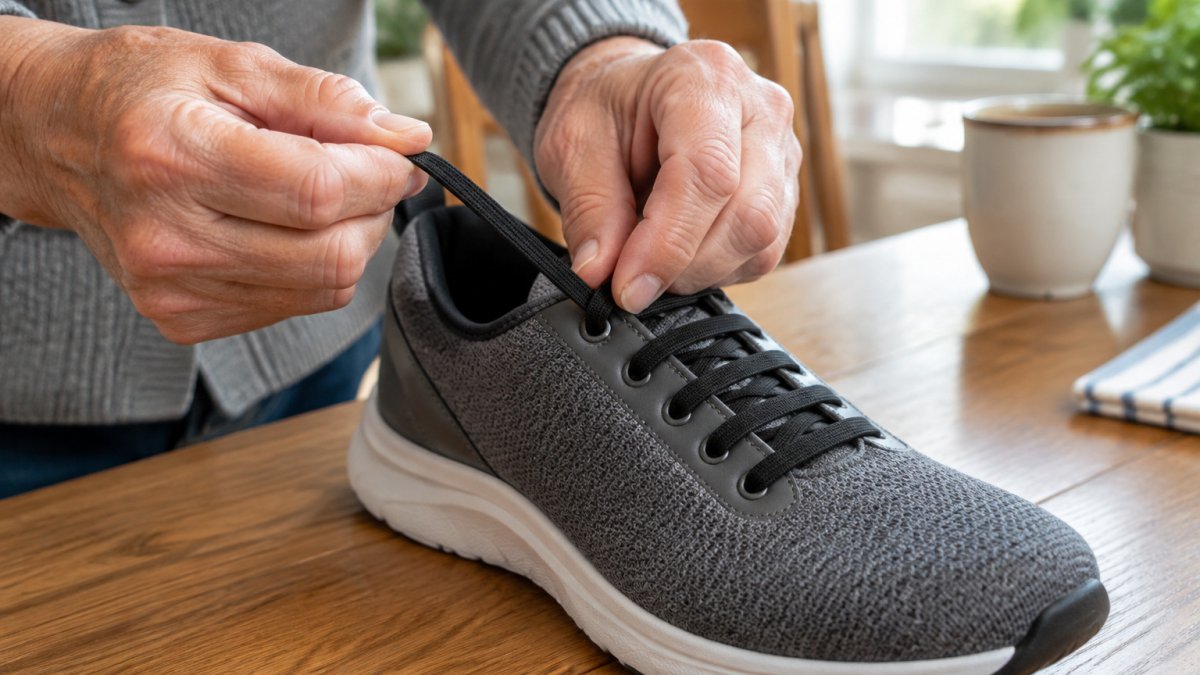
- Remove the original laces and check the eyelets for wear. Cracked or sharp-edged eyelets will fray an elastic lace quickly, so run a fingertip around each one before threading.
- Thread the elastic lace through the bottom pair of eyelets, working upward. On most sneakers, start at the toe end and move toward the ankle so the tension builds where the shoe needs to hold.
- Keep the lace flat and avoid twists as you go. A twisted elastic lace creates a high-pressure point that can dig into the top of the foot.
- Pull the ends to the top eyelet and tighten until the shoe holds snugly but does not pinch. Set tension with the shoe on your foot, not off it, the foot spreads when weight is applied.
- Secure the ends inside the shoe with the included clip or by tucking them under the tongue. Tuck them toward the toe, not the heel, so they do not rub against the ankle.
- Test by slipping the shoe on and off. Adjust the tension if the heel slips or the foot feels squeezed.
uLace Options Compared: Shorts, Classic and ProFormance
uLace sells three no-tie lace lines. Here is how they compare.
| Option | Price | Best for |
|---|---|---|
| uLace Shorts - Black | $12.99 | Shorter lacing runs and everyday sneakers |
| uLace Classic - Black | $6.49 | A budget-friendly, classic black option |
| uLace ProFormance - Black | $14.99 | Performance-style sneakers and more active use |
Price
Which Line Fits Which Shoe
Most articles treat no-tie laces as one product. They are not. The right line depends on the shoe's eyelet count, the lacing run and how much the upper flexes.
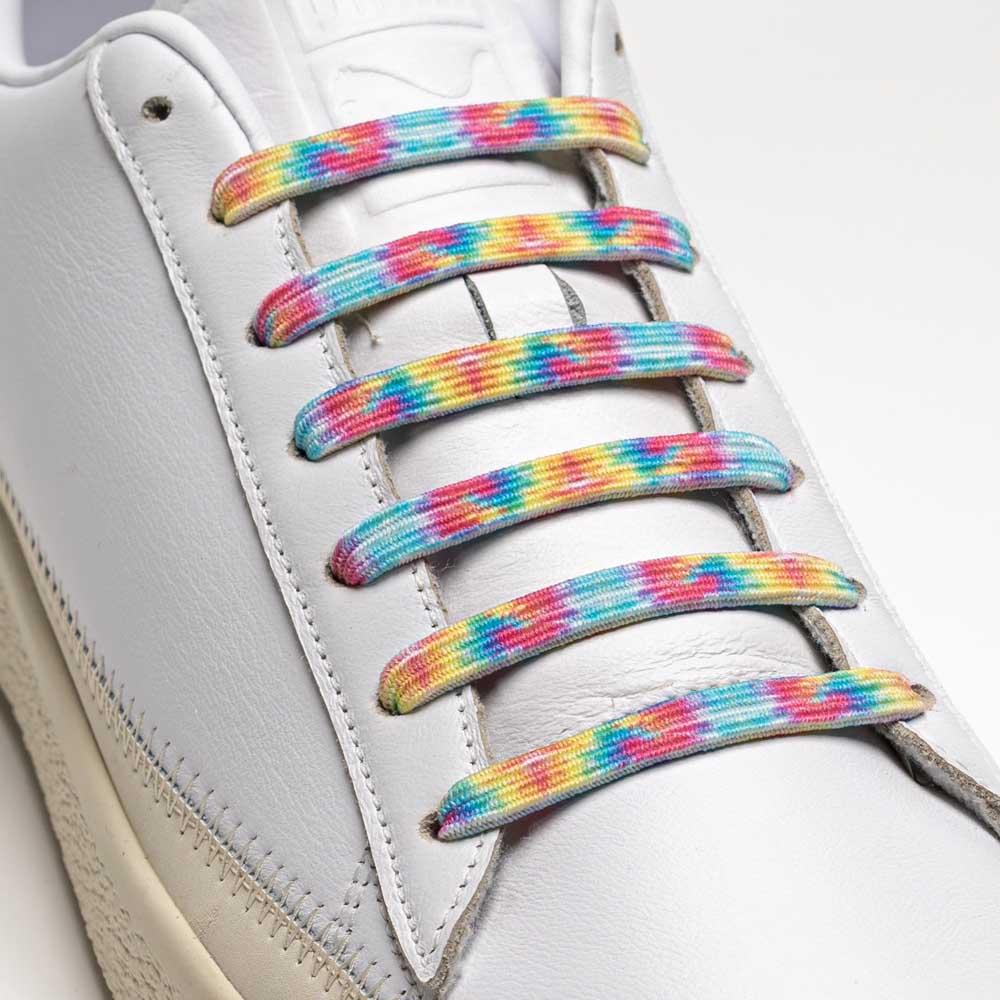
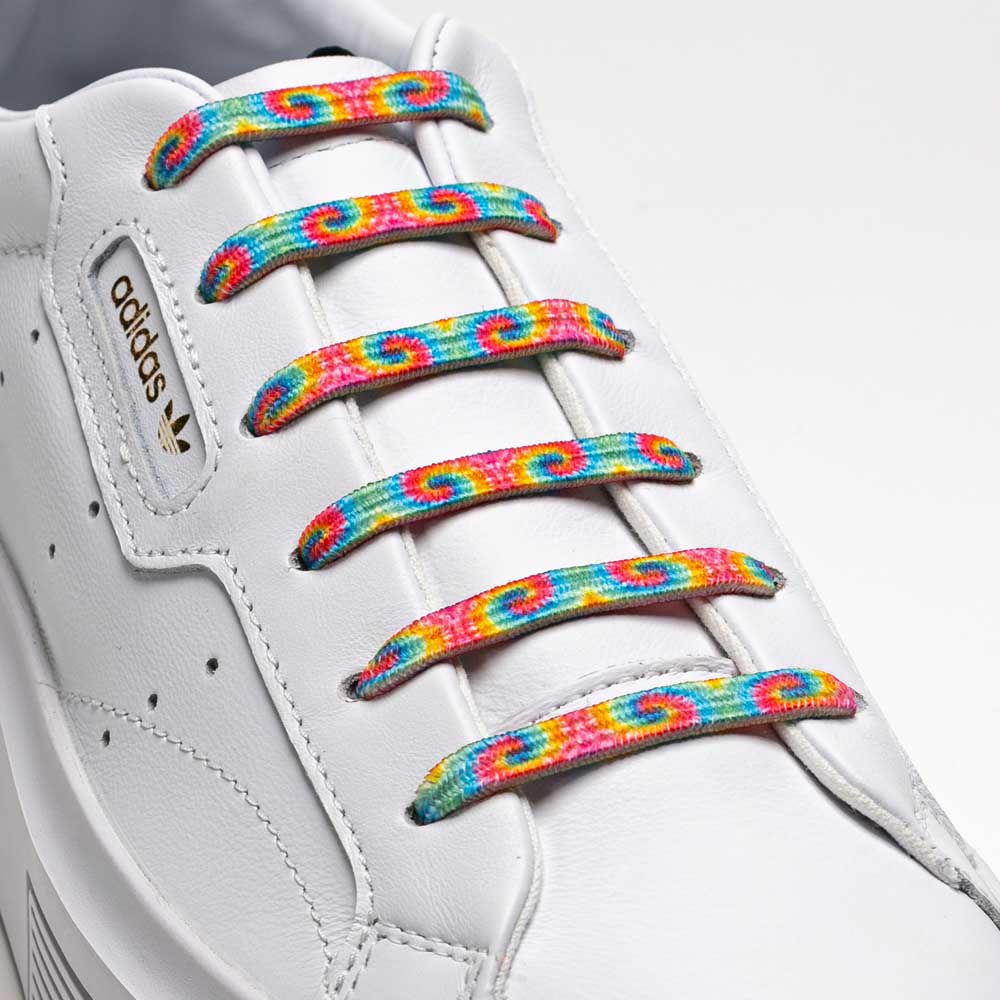
- Casual canvas and low-profile sneakers: the Classic is usually the match. The lacing run is short, the upper is soft, and a standard elastic lace holds without over-compressing the instep. You can see the Classic no-tie shoelaces and their color options here.
- Everyday athletic sneakers with six to eight eyelet pairs: the Shorts line suits shorter runs, while the Classic covers most standard runs. Count the eyelet pairs before ordering; a lace that is too long will loop and dangle, which is the exact problem no-tie laces are meant to solve.
- Performance and running-style sneakers: the ProFormance is the line to look at. These shoes flex more at the forefoot and need a lace that recovers its shape after repeated stretch.
- Dress-casual and leather sneakers: keep the lace flat and avoid over-tightening. Leather uppers crease where pressure is highest, so set tension with the shoe on the foot and check the crease line before wearing them out.
Fit, Security and Durability
Watch out: buying by shoe size instead of eyelet count is the most common ordering mistake. Two sneakers in the same size can have very different lacing runs, and a lace that is too long will dangle, the very problem you are trying to fix. If your eyelets are narrow, you can view the U Lace Slims laces that fit narrower eyelets.
Different Ways to Lace Shoes for Comfort
Some people prefer a crossed pattern at the top for extra support, while others keep a straight pattern for even tension. Try a couple of patterns and keep the one that holds the foot steady without pinching.
No-Tie Shoelaces for Seniors and People With Limited Mobility
Bending to tie laces can be hard for many people. No-tie laces remove the need to tie, so the shoe can be slipped on and off.
One customer who is 72 said it is hard for her to bend over to tie her shoelaces, and that she can now slip her foot into her shoes. For a deeper look at the daily advantages, read the everyday benefits of elastic laces.
Choosing a Pair of uLace Laces for Your Sneakers
Start with your sneaker's eyelet count, then pick the line that fits your use. The Shorts line is one option, the Classic is another, and the ProFormance is a third.
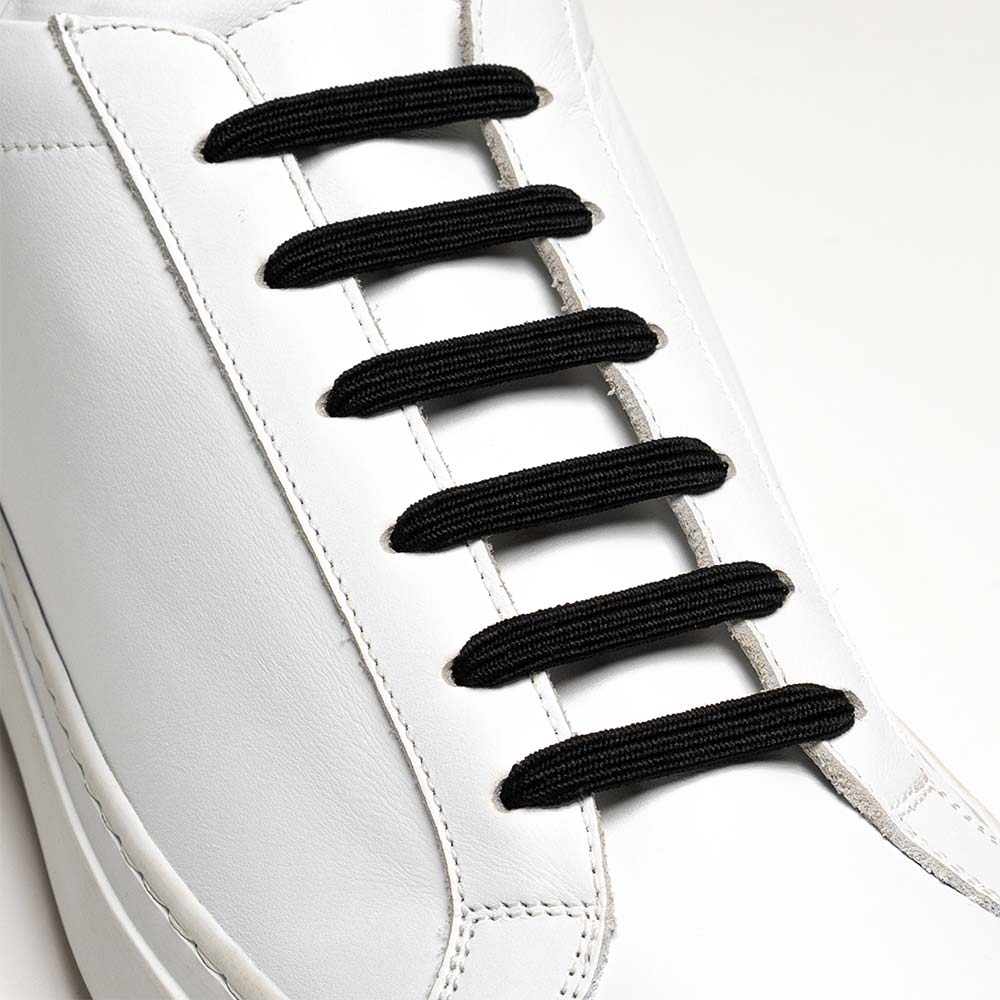
Measure the length you need, set the tension, and check the fit before wearing the shoes out.
Last Updated: November 19, 2026
Frequently Asked Questions
What shoes are good for people who can't bend over?
Slip-on sneakers and shoes that stay fastened without bending are the most practical choice. Converting a sneaker you already own with elastic no-tie laces is one option. A uLace Classic in black costs $6.49 and a uLace Shorts pair costs $12.99, so you can keep the shoes you love while removing the need to bend down and tie. Try the lacing steps in this guide to confirm the fit before buying a new pair.
Can elastic laces make regular sneakers easier to slip on?
Yes. Elastic no-tie laces stretch enough to let your foot in and out without loosening the shoe to the point of sliding around. Set the tension so the shoe holds your heel in place once your foot is inside. If your feet are wide, a looser setting or a longer lace may help. uLace Shorts and uLace Classic are both sold as easy-on, easy-off slip-on conversions for sneakers.
How do you keep sneakers looking neat with no-tie laces?
Keep the lace tucked evenly through the eyelets so no loose ends hang out or drag on the ground. Many customers say their sneakers look neat and tidy after switching, because there are no dangling, dirty shoestrings to tuck away. Check the tension after a week of wear, and re-thread any section that has shifted. A uLace ProFormance pair costs $14.99 and is designed for performance wear.
Are no-tie laces secure enough for everyday walking?
For everyday walking, a properly tensioned elastic lace holds the shoe snug while letting you move freely. Test the fit by walking around the house and up and down stairs before heading out. If the heel lifts, tighten the lace. Several customers report using uLace laces for daily wear and say they stay put without retying.
