




Are No-Tie Shoelaces Worth It? An Honest Review
Table of Contents
- The Verdict: Are No-Tie Shoelaces Worth It?
- Elastic Shoelaces vs. Traditional Shoelaces: A Fair Comparison
- Do Elastic Laces Work? What the Evidence Says
- Comfort, Fit, and Foot Health: What Changes
- How to Install No-Tie Shoelaces on Any Sneaker
- Durability, Maintenance, and Long-Term Cost
- Who Benefits Most (and Who Should Skip Them)
- Conclusion
- Frequently Asked Questions
Last Updated: October 12, 2026
The Verdict: Are No-Tie Shoelaces Worth It?
Yes, no-tie shoelaces are worth it for most people who want faster mornings, less bending, and a secure fit without the hassle of tying. At uLace, we have made elastic, no-tie sneaker laces since 2009, and the honest answer is that they solve a real problem for a specific group of people extremely well.
The catch: they are not right for every shoe or every activity. Below, we break down the evidence, the trade-offs, and exactly who should buy them.
No-tie shoelaces are elastic lace systems that replace standard laces, letting you slip shoes on and off without tying. They come in several designs, including elastic, silicone, cord-lock, and magnetic systems, according to The Original Stretchlace no-tie shoelace guide. That variety matters, because each type fits differently.
So are they worth the money? For parents, older adults, and anyone with limited hand dexterity, yes. For competitive runners chasing a locked-down race fit, sometimes not.
Elastic Shoelaces vs. Traditional Shoelaces: A Fair Comparison
Elastic shoelaces trade a fixed knot for constant stretch, which changes how a shoe fits rather than just how it looks. The table below sums up the practical differences.
| Factor | Traditional Shoelaces | Elastic No-Tie Laces |
|---|---|---|
| Time to put on | 15-30 seconds | 2-5 seconds |
| Bending required | Yes | No |
| Tension | Set once, then fixed | Adjustable, flexes with foot |
| Comes untied | Yes | No knot to fail |
| Best for | Sports needing tight lockdown | Daily wear, kids, seniors |
Traditional laces let you crank down a specific zone of the shoe. Elastic laces spread tension evenly across the whole instep. That is a feature for comfort and a limitation for anyone who needs pinpoint tightness on one part of the foot.
The honest downside: elastic laces can feel too loose for high-impact lateral sports if you buy the wrong type. Triathlete notes that elastic shoelaces are not suitable for every running situation and warns against common mistakes with them (Triathlete on when to use elastic shoelaces). The fix is choosing a firmer elastic lace for athletic use, not a soft one.
Do Elastic Laces Work? What the Evidence Says
They work as designed, but the research is thinner than the marketing suggests. A 2017 study from UC Berkeley mechanical engineers on why shoelaces come untied explained the physics of why traditional knots fail under repeated impact. Elastic laces sidestep that problem entirely by removing the knot.
What the evidence does not show is a universal performance boost. No large study proves elastic laces make you faster or more stable. They are a convenience and accessibility product, not a performance upgrade. Treat any claim otherwise with skepticism.
Comfort, Fit, and Foot Health: What Changes
Comfort is where elastic laces win most clearly, because they flex with your foot instead of locking it in place. Feet swell through the day, and a fixed knot cannot adapt. Elastic laces stretch as your foot expands, which reduces pressure points across the instep.
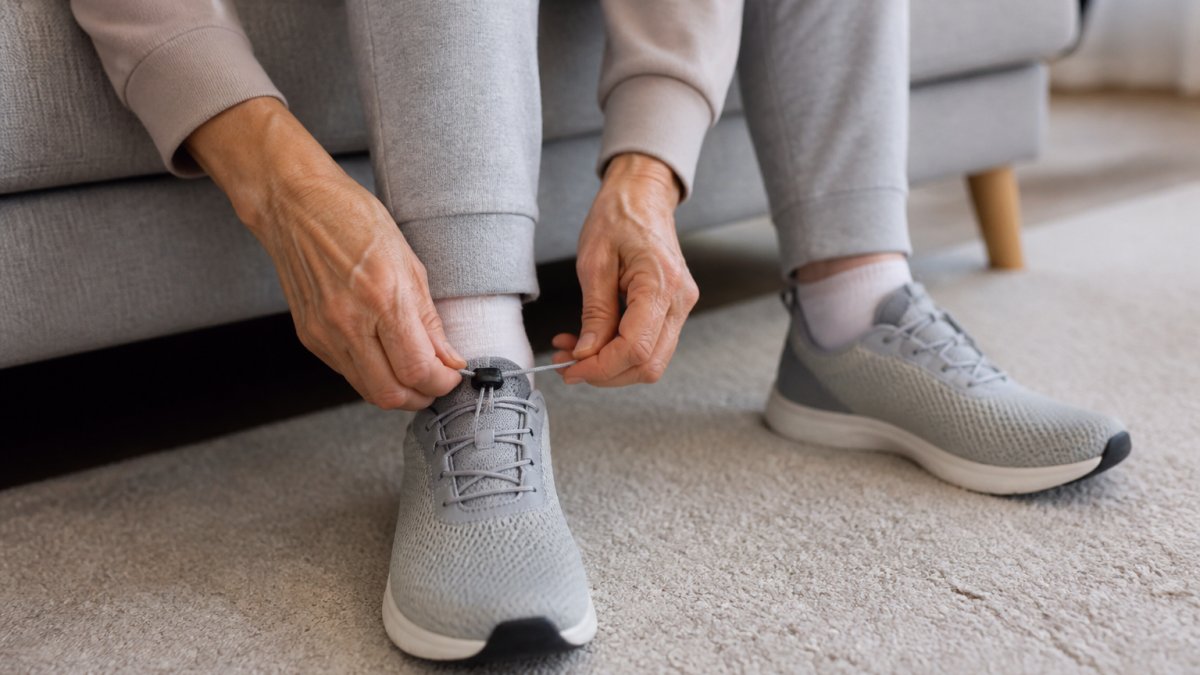
Fit varies by foot shape. Wide feet and high insteps often feel better with elastic laces, since the lace gives instead of digging in. Narrow feet may need a firmer elastic to avoid a loose feel. Adjustable tension is the key: you set it once and it holds.
How to Install No-Tie Shoelaces on Any Sneaker
Installing no-tie shoelaces takes about five minutes and no tools. You thread the elastic through the eyelets, set the tension, and lock the ends. Most systems use a simple push-and-pull method that works on any standard sneaker, but the details are where installations go wrong, so it is worth doing once, carefully.
Steps to install:
- Remove your old laces completely and count the eyelet pairs (the number of rows on each side).
- Thread the elastic lace through the bottom eyelets, keeping both ends even.
- Work upward in a crisscross or straight pattern, matching the shoe's original lacing path.
- Slide the locking clip or anchor into place.
- Adjust tension until the shoe slips on snugly but you can still get a finger under the top row.
- Trim excess lace, leaving about an inch of tail, and tuck the ends.
Lace length matters more than most buyers expect. A common pattern is to allow roughly 2 to 3 inches of lace per eyelet pair on each side, plus 6 to 8 inches of tail for the clip. A shoe with five eyelet pairs typically needs a shorter lace than a high-top with eight or nine. If you order a set that is too long, you can trim it; if it is too short, you cannot stretch it, so measure before you buy.
Eyelet patterns change the fit. Crisscross lacing spreads tension evenly and is the safest default. Straight (bar) lacing looks cleaner and reduces pressure on the top of the foot, which helps if you have a high instep. Skip-lacing, leaving one or two middle rows empty, can relieve pressure over a hot spot, but it also reduces how much the elastic can hold the midfoot.
Shoe-type compatibility. Standard metal or plastic eyelets work with nearly all no-tie systems. Watch for these exceptions:
uLace ProFormance - Performance No-tie Laces - Black →
- Very narrow eyelets can bind the elastic and wear it out early.
- Shoes with fabric loops instead of eyelets may need a different anchor style.
- Boots and high-tops need longer laces and often a firmer elastic to hold the taller collar.
- Slip-on styles with decorative laces may not have functional eyelets at all.
A note on safety. Elastic laces remove the tripping hazard of a dangling, untied lace, which is a real benefit for kids and older adults. The trade-off is removal speed: in an emergency, you cannot simply yank a bow loose. Practice taking the shoe off once or twice after installation so you know how the clip releases before you need it to.
Compatibility check before you commit: uLace Kiddos ($5.99) is sized for children's shoes, while uLace ProFormance ($14.99) is built for athletic use. Match the lace to the shoe, not just to the color.

Durability, Maintenance, and Long-Term Cost
No-tie laces generally outlast the shoes they sit in, because there is no knot to fray and no loose end to snag. Elastic does lose some stretch over time, but most sets last a year or more with normal use.
Cost is the real selling point. A set of uLace Classic runs $6.49, and uLace Shorts is $12.99. Compare that to replacing frayed traditional laces every few months, and the math favors elastic over a year. The upfront price feels higher than a basic pair of laces, but you buy once and stop thinking about it.
Who Benefits Most (and Who Should Skip Them)
Most coverage of no-tie laces either sells them or shrugs at them. The honest answer is that they are a strong fit for some people, a poor fit for others, and a wash for everyone in between. Here is how to tell which group you are in.
Who benefits most:
- Parents of young children. Kids who cannot yet tie a bow can put shoes on independently, which cuts morning friction and builds a small bit of self-reliance.
- Older adults and people with arthritis or limited hand dexterity. Removing the bend-and-tie motion is the single biggest quality-of-life gain. Claire Perlman, accessibility editor at The New York Times, put it plainly in a Wirecutter review of Bread Laces: "Elastic laces help equalize shoes for disabled people."
- People with back, hip, or knee issues for whom bending to tie is painful or slow.
- Frequent travelers who want slip-on speed through security lines and hotel mornings.
- Anyone with a high instep or wide feet who finds traditional laces dig in across the top of the foot.
Who should skip them:
- Competitive runners who need a precise, locked-down fit for races. Elastic spreads tension; it does not concentrate it.
- Athletes in high-impact lateral sports, basketball, tennis, court volleyball, where a loose midfoot can mean a rolled ankle. A firmer elastic helps, but a traditional lace still wins on lockdown.
- People who genuinely prefer the feel of a tightly tied lace. That is a legitimate preference, not a failure to appreciate convenience.
The trade-offs nobody mentions. Elastic laces are not a free upgrade. Three things change when you switch:
- Pressure distribution. Tension spreads across the whole instep instead of concentrating at the knot. For most feet that is more comfortable. For a narrow foot, it can feel vague, you may need a firmer elastic or a smaller size.
- Removal speed. You cannot yank a bow loose. If you need to get a shoe off quickly, a medical situation, a hot spot, a child mid-tantrum, the clip takes a few extra seconds.
- Fit adjustment over time. Elastic relaxes with wear. What feels snug in week one may feel loose by month six, and you will re-tension the clip rather than re-tie a knot.
A practical way to decide. Ask yourself three questions: Do I tie my shoes more than twice a day? Do I bend to tie with any discomfort? Do I need pinpoint lockdown for a sport? Two yeses on the first two and a no on the third means no-tie laces are likely worth it for you. A yes on the third means stick with traditional laces for that pair of shoes, and consider no-tie for the rest.
Conclusion
The real question is not whether no-tie laces work, but whether your daily routine would improve without the tying. For most people juggling kids, aging hands, or busy mornings, the answer is a clear yes.
uLace has made elastic, no-tie sneaker laces since 2009, with easy push-and-pull installation, many styles and colors, and fast shipping from the USA. Our motto says it best: buy the sneakers you love, let uLace transform them into hassle-free slip-ons. Every order is backed by the uLace Guarantee. Take the quiz to find the right set for your shoes.
Frequently Asked Questions
Do elastic laces actually work, or do they slip off?
Elastic laces work by stretching over the instep and holding tension without a knot. How secure they feel depends on the lace type, your shoe's eyelet layout, and how tightly you set the initial tension. Most users find them secure for daily wear.
How do no-tie shoelaces compare with traditional laces for running?
Traditional laces let you fine-tune tension per eyelet, which some runners prefer for a locked-in feel. Elastic laces stretch with foot swelling and stay put without retying. For casual jogs and gym sessions, most people find them reliable. For competitive distance running, test them on short runs first.
Can no-tie shoelaces fit different types of shoes?
Most no-tie laces work with standard sneakers that have eyelets. uLace products are designed for classic styled sneakers and can transform them into slip-ons. Wider feet or high insteps may need a looser initial setup. If your shoes are already tight when laced normally, elastic laces can actually help because they stretch as your foot enters. Check the product listing for compatible shoe styles before ordering.
How long do no-tie shoelaces last, and what do they cost?
Durability varies by material and use. Elastic laces stretch thousands of times over their life, and wear shows as reduced rebound or fraying at eyelets. uLace prices range from $5.99 for Slims and Kiddos to $14.99 for ProFormance, with Classic at $6.49 and Shorts at $12.99. That is a one-time purchase per pair of shoes. Replacing traditional laces costs less upfront but you may replace them more often if they fray or come untied repeatedly.
Who benefits most from no-tie shoelaces?
Parents of young children save morning time and help kids gain independence. Older adults and people with arthritis or limited dexterity avoid bending and fine-motor knot-tying. Frequent travelers and active individuals get slip-on convenience. Fashion-focused sneaker fans can swap colors and styles without restringing. If you rarely struggle with traditional laces and do not mind tying, the benefit is smaller. The biggest gains go to anyone who puts shoes on and off multiple times a day.