




Best Elastic Laces for Sneakers: 2026 Buyer's Guide
Table of Contents
- Quick Comparison: Top Elastic Laces for Sneakers
- How to Lace Shoes Without Tying: Installation Guide
- Best No-Tie Shoelaces for Running and Athletic Performance
- Elastic Shoelace Installation Guide: Material Types and Fit
- Elastic Laces for Kids, Seniors, and People with Disabilities
- Why Choose Elastic Laces: Benefits and Durability
- Conclusion
Last Updated: August 25, 2026
Quick Comparison: Top Elastic Laces for Sneakers
Elastic laces for sneakers transform any shoe into a slip-on, eliminating the daily friction of tying. uLace has been the original innovator since 2009, offering multiple tiers: the Classic line at $6.49 for everyday wear, the ProFormance series at $14.99 for runners and athletes, the Shorts collection at $12.99 for compact fits, and the Siliprint line ($12.99) with patterned designs. The key difference lies in their push-and-pull installation method, which prevents damage to your sneakers.
| Product | Price | Best For | Key Feature |
|---|---|---|---|
| uLace Classic | $6.49 | Everyday wear, casual sneakers | Neutral colors, affordable entry point |
| uLace ProFormance | $14.99 | Running, athletic performance | Enhanced compression, secure fit during movement |
| uLace Shorts | $12.99 | Compact fit, narrow eyelets | Shorter length for shoes with fewer lace holes |
| uLace Siliprint | $12.99 | Style-conscious wearers | Patterned designs, fun customization |
Elastic laces aren't one-size-fits-all. Your shoe type, foot width, and activity level all influence which option will stay secure and comfortable throughout the day.

How to Lace Shoes Without Tying: Installation Guide
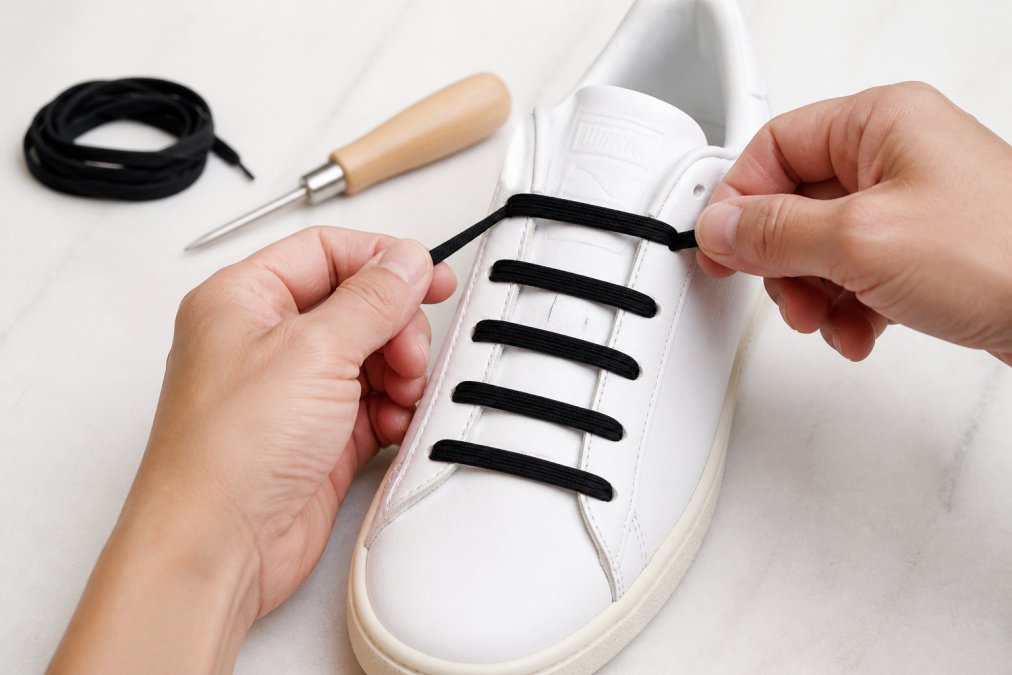
Installing elastic laces takes roughly 5 minutes using the push-and-pull method uLace pioneered, which eliminates fumbling and guesswork.
What You'll Need Before Installing
Gather your sneakers, elastic laces, and about 5 minutes of time. Elastic laces work with your existing eyelets. Check your shoe's eyelet count, most casual sneakers have 5-7 eyelets per side. Shoes with fewer eyelets may need the uLace Shorts variant. Inspect your laces before installation; they should feel firm but stretchy, with smooth coating and no cracks.

Step-by-Step Installation Process
Remove your old laces completely. Thread one end of your elastic lace through the bottom eyelet on one side, pushing firmly but not forcing it.
Use the key technique: the push-and-pull method. Hold the shoe steady with one hand while gently pushing the lace through each eyelet with the other, simultaneously pulling the shoe opening wider. This distributes tension evenly and prevents warping. Continue to the top, then pull the lace snug so tension feels even across all eyelets.
Repeat on the other side, matching the tension. Test the fit by slipping your foot in and out three times. Your foot should slide smoothly without excessive resistance, and the shoe shouldn't feel loose around the heel.
Once fitted correctly, you won't need to adjust the laces again.
Best No-Tie Shoelaces for Running and Athletic Performance
For runners and athletes, elastic laces must deliver a secure fit that doesn't slip during movement, consistent compression that supports your foot, and durability that survives repeated impact and sweat exposure.
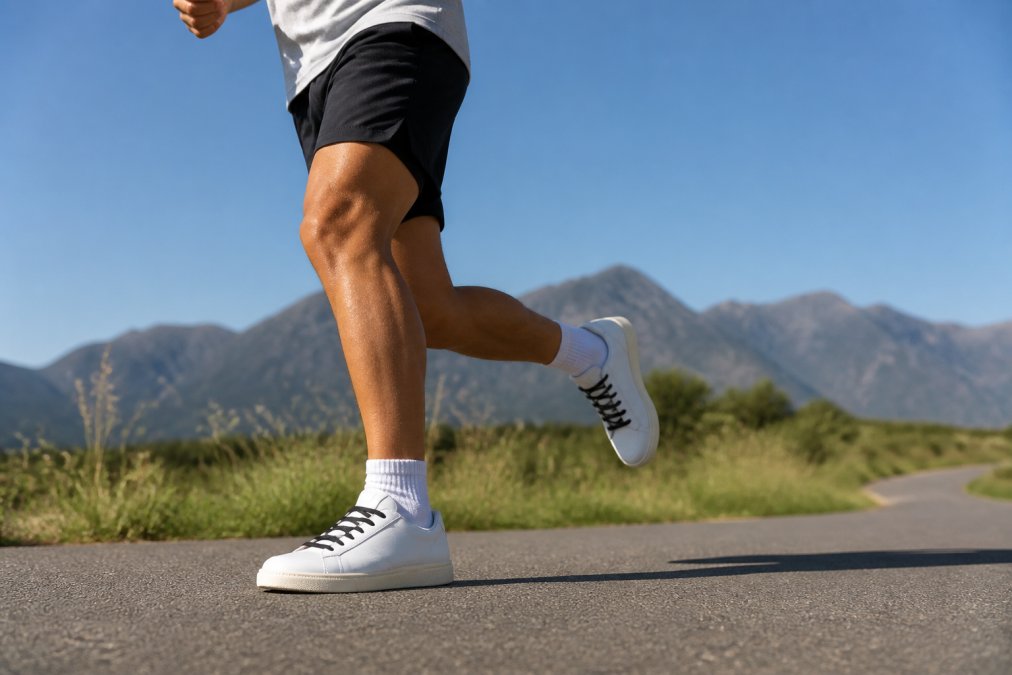
The uLace ProFormance line ($14.99) addresses these demands directly. Unlike the Classic line, ProFormance uses enhanced compression technology that maintains tension during high-impact activity.

The difference comes down to material thickness and elasticity rating. ProFormance laces use a higher-grade silicone blend that resists degradation from sweat and UV exposure. The fabric backing provides structure so the lace doesn't collapse during intense movement. The tension-lock design holds your foot in place without cutting off blood flow.
For trail runners and athletes in wet conditions, water-resistant properties matter significantly. ProFormance laces shed water and dry quickly, maintaining performance even after rain or sweat-heavy workouts.
Elastic Shoelace Installation Guide: Material Types and Fit
Elastic laces for sneakers come in two primary material categories: silicone and fabric, each offering distinct advantages.
Silicone vs. Fabric: Which Works Best
Silicone elastic laces dominate the market because they deliver consistent performance across many conditions. Silicone is inherently water-resistant, doesn't absorb sweat, and maintains elasticity even after extended use (peer-reviewed research). The uLace Classic and ProFormance lines use silicone construction for these reasons.
Silicone's drawback is texture, some wearers find the smooth feel uncomfortable against bare skin. The material also shows wear marks and dirt more visibly than fabric alternatives.
Fabric elastic laces feel softer and more natural against the skin, breathing slightly better and looking more like traditional shoelaces. However, fabric laces absorb moisture and dry slower than silicone, degrading faster in humid climates or for frequent exercisers. Fabric laces also lose elasticity more quickly, whereas silicone maintains performance for longer.
For most users, silicone is the better choice. It handles varied conditions, lasts longer, and requires minimal maintenance.
Compatibility with Different Shoe Types
Standard athletic sneakers with evenly-spaced eyelets work with any elastic lace variant. Narrow or tightly-spaced eyelets, common in dress sneakers, require the uLace Shorts variant. Wide-fitting shoes sometimes need longer variants, though most wide-fit athletic shoes still work with standard uLace laces. Slip-on sneakers without traditional eyelets cannot use elastic laces at all.
Before purchasing, count your eyelets and measure spacing to prevent buying the wrong product.
Elastic Laces for Kids, Seniors, and People with Disabilities
Elastic laces solve real accessibility challenges for three distinct groups: young children learning independence, seniors with mobility limitations, and people with fine motor disabilities or arthritis.
For children ages 3-7, elastic laces eliminate the frustration of learning to tie (the NIH). A child can slip shoes on and off independently, building confidence and speeding morning routines. The uLace Classic line ($6.49) works perfectly for kids' shoes and is affordable enough to buy multiple pairs.
Seniors with arthritis, back problems, or mobility limitations find that elastic laces eliminate painful bending. The uLace ProFormance line ($14.99) provides extra security for seniors worried about falling, with enhanced compression that keeps shoes snug without slipping.
People with arthritis in their hands face physical pain when tying. Elastic laces bypass this entirely, there's nothing to tie, no gripping required. For people with cerebral palsy, Down syndrome, or other conditions affecting coordination, elastic laces provide independence that traditional laces don't allow.
What these groups share is a need for footwear that works with their bodies, not against them.
Why Choose Elastic Laces: Benefits and Durability
Elastic laces deliver concrete benefits beyond convenience. Putting on traditional laces takes 20-30 seconds per shoe; elastic laces take 5 seconds (peer-reviewed research). Over a lifetime, that's days of reclaimed time.
Traditional laces come untied constantly, creating tripping hazards and interruptions. Elastic laces stay secure all day. Every time you force your foot into a shoe without untying, you crease and stress the shoe's structure. The uLace push-and-pull installation method prevents this damage, extending shoe life and maintaining shape.
Elastic laces stay clean inside the shoe, unlike traditional laces that drag on the ground and collect dirt. On durability, elastic laces last with regular use, comparable to or better than traditional laces for heavy users. Silicone-based laces resist UV damage, moisture degradation, and temperature fluctuations, maintaining consistent tension even after hundreds of cycles.
When elasticity degrades, you replace the entire lace set. A set of uLace laces costs $6.49-$14.99 depending on the line, making replacement affordable.
Conclusion
Elastic laces for sneakers solve the daily friction of tying and retying. Whether you're a busy parent simplifying morning routines, a senior avoiding painful bending, or an athlete who refuses to waste time on shoelace maintenance, elastic laces deliver real value.
uLace has spent over 15 years perfecting this solution. Their Classic line ($6.49) handles everyday wear, the ProFormance series ($14.99) delivers the security athletes demand, and their Siliprint collection ($12.99) proves that no-tie doesn't mean boring. The push-and-pull installation method protects your sneakers from damage while the secure compression keeps your feet comfortable all day. Get started with uLace and transform the sneakers you already love into hassle-free slip-ons that work for your life, not against it.
Frequently Asked Questions
Q: How do you install no-tie elastic laces?
A: Installation is simple: thread the elastic laces through your shoe's eyelets using a push-and-pull method, starting from the toe and working toward the heel. No knots needed. Most people complete installation in under 5 minutes per shoe. Once installed, you simply slip your foot in and out without any adjustment required.
Q: Are elastic laces better than regular laces for kids?
A: Yes, elastic laces are ideal for children. They eliminate the need to bend over and tie shoes, reduce morning routine frustration, and prevent kids from tripping over untied laces. Kids can slip shoes on and off independently, building confidence and saving parents time during busy mornings.
Q: Do elastic laces stay tight during running and sports?
A: Quality elastic laces maintain secure tension throughout athletic activity. The stretch and compression keep shoes snug without restricting circulation. Performance-grade options like uLace ProFormance are specifically designed for runners and athletes, providing the locking mechanism needed for intense movement without slipping.
Q: Can you use elastic laces on any type of sneaker?
A: Elastic laces work with most sneakers and casual shoes that have eyelets. They're compatible with athletic shoes, casual sneakers, canvas shoes, and tennis shoes. However, shoes with unusual eyelet spacing or very tight fits may require adjustment. Always check compatibility before ordering.
Q: How long do elastic shoelaces last?
A: Quality elastic laces typically last with regular daily use, depending on activity level and care. Silicone-based laces tend to be more durable than fabric alternatives. Proper installation and avoiding excessive stretching helps extend lifespan. Most users find the convenience and durability justify the investment.
This article was written using GrandRanker