




Do No-Tie Laces Really End Bending Over for Shoes?
Last Updated: November 18, 2026
Quick Summary
No-tie laces remove the forward bend and the knot from your morning routine, because an elastic, fixed-tension system lets you stretch the shoe open and slide your foot in. You set the tension once per pair, then put shoes on and off in seconds. They suit families and seniors who want a dependable slip-on fit on sneakers they already own.
- Tying shoes combines bending, finger grip and knot-forming, which is tiring for many people.
- Elastic no-tie laces stay in place and let you slip shoes on and off without a knot.
- Count the eyelets on your shoes before buying, since too few can leave a loose top.
- Set the tension so the heel stays secure without pinching when you walk.
- uLace Classic in black is the lowest-priced option at $6.49.
Table of Contents
Every morning, the same small struggle plays out in homes across the country. A child stands by the door tapping a foot, a parent kneels to fight a stubborn double knot, and a senior pauses mid-bend, waiting for the lightheadedness to pass. Tying shoes eats minutes that busy households rarely have, and it asks more of the body than most people notice. That is why more families are searching for a way to get the best out of their mornings, and no-tie laces have become one of the simplest answers to the bending-over problem.
The question is not whether no-tie laces work. It is which kind fits your shoes, your body and your routine. Below, we explain how the bending and fine-motor steps add up, how no-tie systems replace them, and which options suit which people.
Why Tying Shoes Is Harder Than It Looks
Tying a shoe asks for three things at once: bending forward, holding the laces with your fingers, and forming a knot that stays put. Each one is manageable on its own. Together, they can be exhausting for anyone with back pain, joint stiffness, balance concerns, or limited grip strength.
Many families find that the real cost is repetition. Laces come untied at school drop-off, at the playground, and in the middle of a run. Each re-tie is another bend and another delay. A system that removes the knot from the equation addresses the whole cycle, not just the first tie of the day.
How No-Tie Laces Work and What They Replace
No-tie laces replace the knotted closure with a fixed, elastic tension system. You thread the elastic through the lace holes once, set the tension, and then slip the shoe on and off by stretching the lace opening. There is no bow to form, no loop to pull, and no knot to undo.
Elastic no-tie laces swap the standard flat lace for an elastic version that keeps the shoe snug while letting the opening widen enough for your foot.
Ways to Lace Shoes Without Tying
Several methods can remove the tie from your routine. The right one depends on how much adjustment you want and how often you plan to slip shoes on and off.
Straight bar lacing is one of the most common approaches. You lace the shoe in a straight line across the eyelets and secure the ends with a fixed closure, so the shoe opens wide without a knot. It suits people who want a firm, even hold and do not mind a slightly more involved setup.
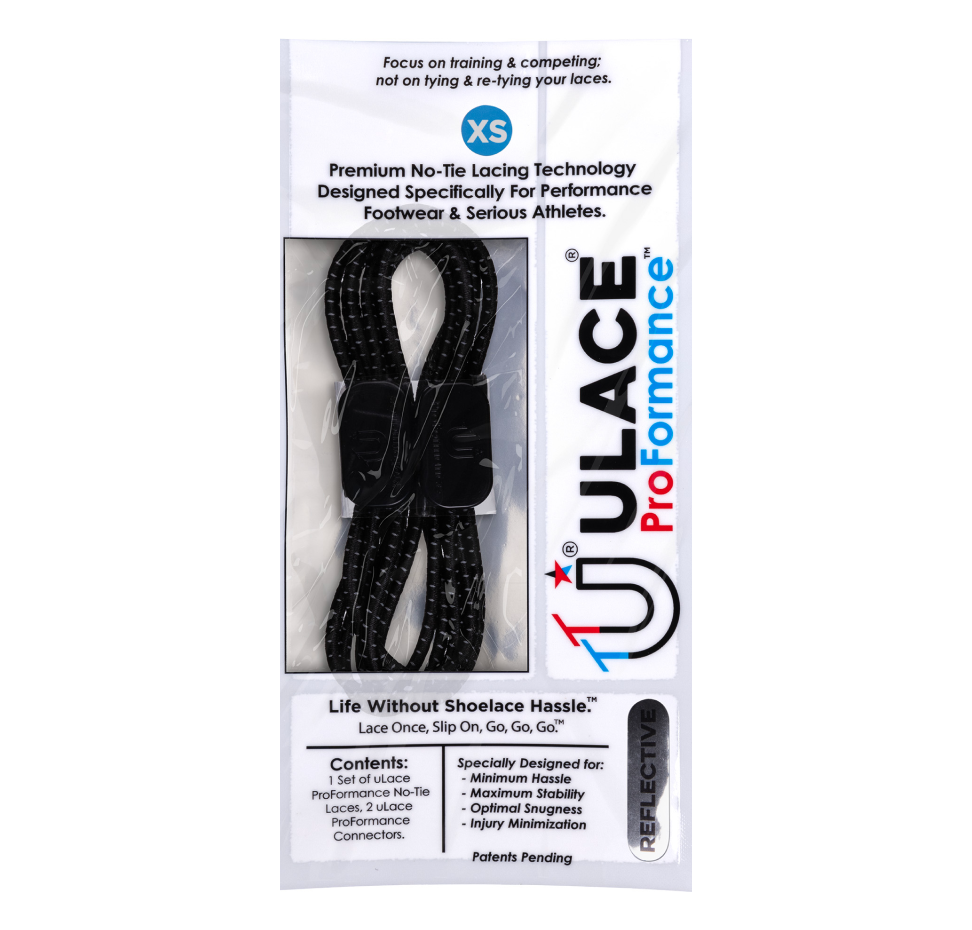
Elastic no-tie laces are built for everyday wear. Each lace uses a stretch cord with a locking end, so you pull the shoe open, slide your foot in, and let the tension settle.
Hook-and-loop closures are another route, though they change the look of the shoe more noticeably than laces do.
A common mistake is buying a no-tie system without checking eyelet count. Too few eyelets can leave a shoe loose at the top, while too many can make threading slow. Count the holes before you order.
How to Lace Shoes So They Slip On
Setting up a slip-on lacing system only needs to be done once per pair. Follow these steps for an elastic no-tie lace.
- Remove the existing laces and check the eyelet count on each shoe.
- Thread the elastic lace through the bottom eyelets first, leaving the locking end outside the shoe.
- Work upward in a straight line, keeping the elastic flat and even.
- Pull the top ends to the desired snugness and secure the locking end.
- Test the fit by sliding your foot in and out several times before wearing the shoe.
Watch out: if the tension is set too tight, the heel can pinch when you walk, so adjust before the first full day of wear.
No-Tie Shoelaces for Seniors and Limited Mobility
For older adults and people with limited mobility, stretching the shoe open and sliding the foot in avoids the forward bend that many people find difficult.
Choosing the right fit matters more here than anywhere else. Lace tension should keep the heel secure without squeezing the top of the foot, and shoes should still have enough room to move. Check the fit while seated and standing before you commit to a setup.
uLace Options Compared: Fit, Price and Use
uLace offers elastic no-tie laces that turn existing sneakers into slip-ons. Here is how the current options compare.
| Product | Price | Best For | Standout Detail |
|---|---|---|---|
| uLace ProFormance Performance No-tie Laces, Black | $14.99 | Active wear and daily sneakers | Performance-focused build |
| uLace ProFormance Performance No-tie Laces, White | $14.99 | Light-colored sneakers | Same performance build in white |
| uLace Classic, Black | $6.49 | Everyday sneakers and budget setups | Lowest-priced option in the range |
Price
Best for: families and seniors who want a dependable slip-on fit on sneakers they already own. Skip if: your shoes have too few eyelets for a clean elastic setup, since a standard lace layout may serve you better. A dependable slip-on fit can reduce the need to bend for laces, while dressing aids for seniors may help with other parts of getting dressed.
Choosing Your Pairs and Setting Up Tomorrow's Morning Routine
Start with the shoes you wear most. Count the eyelets, choose a lace that matches the color and fit you want, and set the tension on a pair you can test at home before the school run or the next outing. Keep a spare set of laces nearby so one broken lace does not derail the whole week.
Once the system is in place, the morning routine gets shorter and calmer. The bending, the knot, and the second attempt disappear, and the shoe takes seconds to put on. Explore the uLace collection to find the lace that matches your sneakers.
Ready to stop tying? Explore the uLace collection and find the slip-on fit that works for your shoes.
Frequently Asked Questions
What shoes are good for people who can't bend over?
Slip-on shoes and sneakers converted with elastic no-tie laces are the most practical options when bending is hard. Because the foot slides in without any tying, you avoid the forward bend that traditional laces require. Look for a roomy opening and a secure fit at the heel. Converting a sneaker you already own with elastic laces such as uLace Classic in Black at $6.49 keeps the shoe you like while removing the bending step.

What are the best no-tie shoelaces for seniors?
For older adults, the best no-tie laces are elastic systems that stay snug without cutting into the instep and that release easily. uLace ProFormance Performance No-tie Laces, available in Black and White at $14.99, are built for a secure, stretchy fit, while uLace Classic in Black at $6.49 is a lower-cost option for everyday shoes. Test the laces on the shoe before wearing them all day, and check that the fit still feels secure after walking.
Are elastic no-tie laces secure enough for everyday wear?
Elastic no-tie laces hold shoes firmly for everyday walking when set to the right tension. Set the tension so the shoe stays closed while the foot still slides in comfortably. If a shoe feels loose during activity, retighten the lace at the anchor point. uLace ProFormance laces are listed at $14.99 and uLace Classic at $6.49, so you can choose the option that matches how much activity the shoe gets.
How do you lace shoes so they slip on?
To make a sneaker slip on, replace the standard laces with elastic no-tie laces and set the tension so the opening stays wide enough for the foot. Thread the elastic through the eyelets, anchor it, and adjust until the shoe closes snugly. Once set, you pull the shoe on and off without touching a lace. uLace offers ProFormance laces at $14.99 and Classic laces at $6.49, available at the listed prices.
