




Performance Running Gear Essentials for Outdoor Athletes 2026
Last Updated: November 8, 2026
Quick Summary
Running gear essentials for outdoor athletes start with three questions: how far you run, how fast you run and where you run. Match properly fitted shoes, moisture-wicking socks and technical apparel to those factors before adding accessories like hydration and visibility gear.
- Road shoes prioritize cushioning, while trail shoes add grip lugs and a more protective upper.
- Leave about a thumb's width of space in front of your toes when choosing running shoes.
- Cotton holds moisture and can cause problems on distance runs, so choose synthetic or merino socks.
- Carry a handheld bottle for runs under about 45 minutes and a vest for longer efforts.
- Replace shoes somewhere between 300 and 500 miles, adjusting for weight, stride and surface.
Table of Contents
- How to Choose Running Gear for Your Distance, Pace and Terrain
- Essential Running Gear Checklist for Every Outdoor Run
- Running Essentials for Beginners: What to Buy First
- Best Running Gear for Hot Weather: Staying Cool and Hydrated
- Marathon Running Gear Essentials and Race-Day Preparation
- Fit, Durability and When to Replace Your Gear
- Pick Your Next Upgrade: Start With the Lace Fit That Matters
- Frequently Asked Questions
How to Choose Running Gear for Your Distance, Pace and Terrain
Choosing running gear essentials starts with three questions: how far you run, how fast you run and where you run. A trail runner covering rocky ground needs different footwear than someone logging road miles on pavement. Matching gear to these three factors often does more for comfort and performance than chasing the newest release.
Begin with terrain. Road shoes prioritize cushioning and a smooth ride, while trail shoes add grip lugs and a more protective upper. Distance matters too. Longer runs amplify small fit problems, so comfort and secure lacing become more important as mileage climbs. Pace influences weight preferences: lighter shoes suit faster efforts, while daily training shoes can be heavier and more padded.
For a runner who wants a secure, consistent fit across all of these conditions, lacing is an often overlooked factor. The [PAGE:1] explains how to choose laces that match your terrain and shoe type.
Essential Running Gear Checklist for Every Outdoor Run
Before each outdoor run, check that you have the core items in place. A basic checklist covers footwear, socks, apparel, hydration, visibility and a way to track your effort.
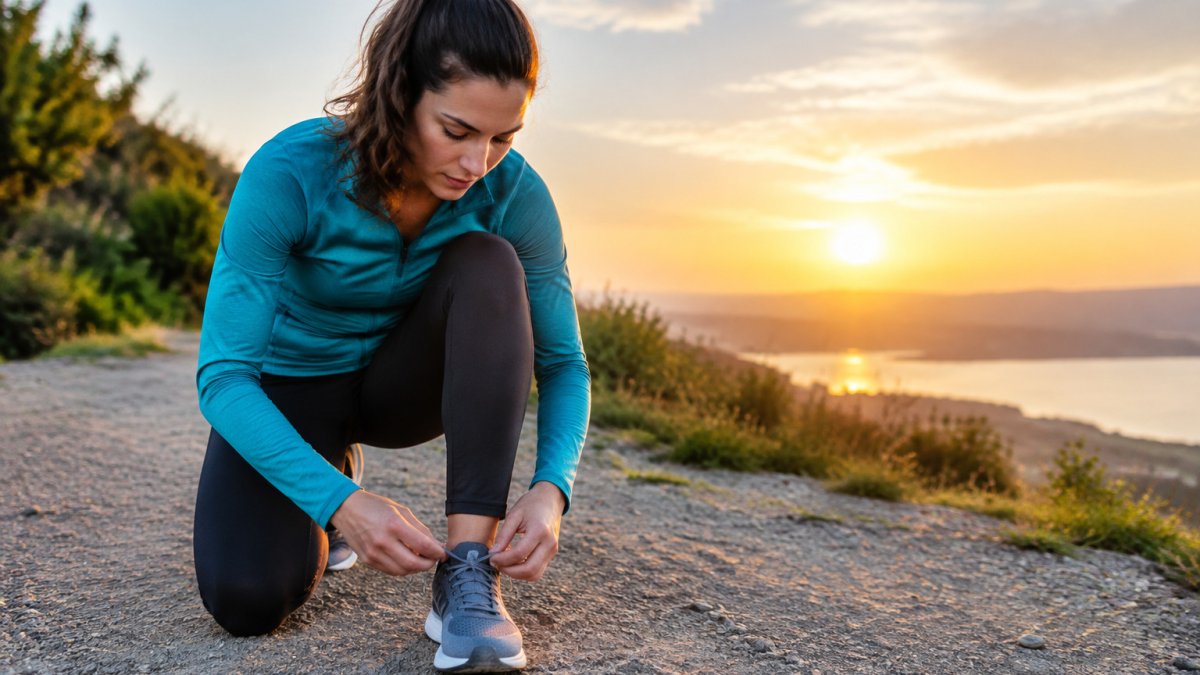
- Running shoes sized for your foot and mileage
- Moisture-wicking socks
- Technical top, shorts or tights suited to the weather
- Hat, sunglasses or headband
- Reflective or light-based visibility gear for early and late runs
- Water bottle, belt or vest for runs over 60 minutes
- Phone or watch for route and pace tracking
Keep this list short. You do not need every accessory on day one, but these basics cover most outdoor runs safely.
Running Shoes and Moisture-Wicking Socks
Shoes do most of the work, so fit matters more than brand names. Leave about a thumb's width of space in front of your toes and test the shoe on a slight incline. Socks matter just as much: synthetic or merino blends pull sweat away from the skin and reduce friction, which is the main cause of blisters on long runs. Cotton holds moisture and can cause problems on distance runs.
Technical Apparel, Shorts and Tights
Technical fabrics such as polyester and nylon blends dry faster than cotton and reduce chafing. Choose shorts with a liner for longer runs and tights for cooler mornings. Avoid heavy seams where your body rubs during repetitive motion, and look for garments with mesh panels if you tend to overheat.
Headwear, Sunglasses and Visibility Gear
A lightweight hat or headband keeps sweat out of your eyes and provides some sun protection. Sunglasses with UV coverage matter on exposed trails and long summer runs. For early or late runs, add a light or reflective element so drivers and cyclists can see you clearly.
Running Essentials for Beginners: What to Buy First
New runners do not need a full kit. Start with properly fitted running shoes and moisture-wicking socks. These two items prevent the most common early problems: sore feet and blisters. Add one or two technical tops and bottoms for weather you actually run in, then expand gradually as your routine grows.
A common mistake is buying expensive accessories before the basics fit well. Fix the fit first, then add hydration and tracking gear as your runs get longer.
Best Running Gear for Hot Weather: Staying Cool and Hydrated
Heat changes how gear performs. Sweat loss rises with temperature, humidity, and effort, and the body sends more blood to the skin to cool itself, which leaves less for the working muscles. That is why hot-weather gear is less about any single item and more about a system that manages moisture, airflow, and fluid intake together.
Start with fabric and color. Light-colored, loosely cut technical fabrics reflect more sunlight and allow air to move across the skin. Look for open-knit polyester or nylon blends with mesh panels at the back, underarms, and sides.
Headwear matters more than most runners expect. A white or light-colored cap with a dark underside reduces glare and shades the face, while a visor leaves the top of the head open for airflow. A thin, moisture-wicking headband keeps sweat out of the eyes without adding insulation.
Hydration Bottles, Belts and Vests
Plan hydration by duration and conditions, not by habit.
Bottle and bladder capacity is usually listed in fluid ounces.
Fit decides whether a hydration system works.
Watch out: a vest that bounces or rides up is usually too loose at the sternum or overloaded in the rear, and both problems cause chafing over distance.
For belts, look for a wide, flat profile that sits on the hips rather than the waist, and choose bottles that seat firmly in their holsters.
Cooling accessories can help in extreme heat. A light, breathable neck gaiter soaked in water, a cooling towel draped over the neck, or a hat with a sweat-wicking band are low-cost additions.
Hydration needs shift with conditions, so the article suggests matching the carry method to run length and heat.
| Run length | Suggested hydration | Capacity guide |
|---|---|---|
| Under about 45 minutes | Handheld bottle | 12 to 20 oz |
| About 45 to 90 minutes | Small belt | Bottles seat firmly in holsters |
| Longer or few refill points | Vest | About 1 to 2 liters |
| High heat or humidity | Shift thresholds earlier | Sweat losses climb faster |
Marathon Running Gear Essentials and Race-Day Preparation
Race-day gear should be tested during training, never debuted at the start line. Wear your planned shoes, socks and apparel on at least two long runs so that you know how they behave when you are tired and sweaty. Pack a small kit for the day: bib attachments, gels or chews you have already tolerated, and a plan for hydration.
Lay everything out the night before. Checking your gear in advance reduces pre-race stress and prevents last-minute changes that can cause problems mid-race.
Fit, Durability and When to Replace Your Gear
Most gear guides stop at what to buy. The bigger performance lever is how gear fits, how it wears, and when it should be retired. A shoe that fit well at purchase can lose support long before the outsole looks worn, and a sock that chafed on one long run will chafe again. Treat fit, care, and replacement as one ongoing process rather than a one-time purchase decision.
Fit and Adjustment Checks
Fit problems usually show up as small symptoms before they become injuries: a hot spot under the arch, a heel that slips, pressure across the top of the foot, or a strap that digs in. Check these points before every long run.
For shoes, confirm a thumb's width of space in front of the longest toe when standing, a heel that stays locked without pinching, and no pressure at the widest part of the forefoot.
For hydration vests and belts, recheck fit as layers change. A vest that fits over a singlet will need adjustment over a jacket. Tighten sternum straps first, then side compression, and confirm the load does not sway when you turn.
For apparel, check seams at the inner thigh, underarm, and shoulder, and confirm shorts or tights do not ride up during stride. A garment that needs constant tugging will chafe over distance.
Care That Extends Gear Life
Shoes last longer when they dry at room temperature, away from direct heat. Remove insoles after wet runs, loosen laces, and stuff with newspaper to pull moisture out. Never put running shoes in a dryer or on a radiator, because heat breaks down the midsole foam and adhesives.
Technical apparel should be washed in cold water with a mild detergent and no fabric softener, which coats fibers and reduces moisture transfer. Turn garments inside out, close zippers, and air dry. Socks last longer when washed inside out and kept out of the dryer.
Inspect laces for fraying, stiffness, or loss of stretch, and replace them before they fail mid-run. How long elastic shoelaces last covers typical lifespan so you can plan replacements. Whether elastic laces stay tight while running is a useful check if you use stretch-based systems.
When to Replace
Shoe replacement is driven by midsole compression, not just outsole wear. A common pattern is replacement somewhere between 300 and 500 miles, but weight, stride, surface, and heat exposure all shift that window. Check for a midsole that feels flat or creased, an outsole with worn tread at the heel or forefoot, and a shoe that suddenly feels less stable on the same route.
Socks should be retired when the heel or toe padding thins, when elastic at the cuff loosens, or when a previously comfortable pair starts causing hot spots. Apparel should be replaced when seams fray, elastic loses recovery, or fabric becomes thin enough to chafe. Hydration bladders and soft flasks should be replaced when they develop persistent taste, leaks, or difficult-to-clean residue.
Watch out: replacing gear only when it looks worn is a common mistake, because cushioning and elasticity degrade before visible damage appears (the NIH).
Pick Your Next Upgrade: Start With the Lace Fit That Matters
Lacing is one of the easiest upgrades for runners who want a secure, comfortable fit without retying mid-run. Lacing techniques for better circulation show how tension placement can improve comfort during longer efforts. If you want to see how a no-tie system works, the uLace ProFormance Performance No-tie Laces are a practical place to start. Pair it with the right socks and apparel from the checklist above, and your gear will work as a system rather than a pile of separate purchases.

Find the right gear for your next run, and let uLace help keep your fit secure from the first step to the finish.
Frequently Asked Questions
What gear do you need for outdoor running?
The core kit for outdoor running is well-fitting running shoes, moisture-wicking socks, technical apparel suited to the weather, and a way to see and be seen in low light. Add hydration for runs longer than about 45 minutes and a hat or sunglasses for sunny routes. Start with those basics before buying gadgets, and check that your shoes fit your foot shape and mileage. A reflective vest or light is a low-cost safety addition for early or evening runs.
What should beginners wear for outdoor running?
Beginners need a supportive running shoe, a pair of moisture-wicking socks to reduce blister risk, and breathable shorts or tights with a layer that suits the temperature. Avoid cotton, which holds sweat and chafes. Choose a lightweight jacket or long-sleeve top for cool mornings. Spend most of your early budget on shoes and socks, since fit and friction cause more beginner problems than any other item.
What running gear is best for hot weather?
For hot weather, choose lightweight, quick-drying shorts and singlets in light colors, a breathable hat or visor, and sunglasses for sun protection. Hydration is essential, so a handheld bottle or a hydration vest keeps fluids within reach. Look for technical fabrics that wick sweat away from the skin. Run earlier or later in the day and carry electrolytes on runs longer than an hour.
How should I choose running shoes for outdoor training?
Match the shoe to your surface, mileage and foot shape. Road shoes suit pavement, while trail shoes add grip and protection on uneven ground. Try shoes on in the afternoon, when feet are slightly swollen, and leave about a thumbnail's width of room at the toe. Replace shoes after roughly 300 to 500 miles, or sooner if the midsole feels flat or the tread is worn.
How can I stay visible and safe while running outdoors?
Wear bright or reflective clothing, add reflective details to shoes or a belt, and carry a clip-on or headlamp light for early mornings, evenings and overcast days. Run facing traffic when no sidewalk is available, and tell someone your route. A visible light on your back and front makes you easier for drivers to spot from a distance.
