




Best Hickies Alternatives for Kids Shoes in 2026
Table of Contents
- Why Parents Are Switching From Hickies for Kids Shoes
- What to Look For in Hickies Alternatives for Kids
- Best Elastic Shoelaces for Kids: uLace Kiddos Review
-
How to Install uLace on Kids Shoes Step by Step
- What You Need Before You Start
- Step 1: Remove Old Laces Completely
- Step 2: Start at the Bottom, Not the Top
- Step 3: Crisscross Up the Eyelets
- Step 4: Adjust Tension Before Locking
- Step 5: Lock and Tuck
- Shoe-Type Variations That Change the Install
- Troubleshooting Common Install Problems
- How Long Does the Install Actually Take?
- Comparing No-Tie Lacing Mechanisms for Kids Sneakers
- What to Ignore When Choosing No-Tie Laces for Kids
- Conclusion: Help Your Child Slip On Shoes Independently
- Frequently Asked Questions
Last Updated: September 5, 2026
Why Parents Are Switching From Hickies for Kids Shoes
The search for a reliable hickies alternative for kids shoes usually starts the same way: a parent bends down for the tenth time in one morning to retie a stubborn lace.
Kids need laces that stretch generously, stay secure during rough play, and are simple enough for small hands to manage independently.
What to Look For in Hickies Alternatives for Kids
Choosing the right elastic shoelaces for kids comes down to a few non-negotiable features.
Key criteria to evaluate:
- Stretch and tension: The laces need enough give for a child to slip a foot in without struggling, but enough resistance to hold the shoe securely during running and jumping.
- Material quality: Durable material that resists dirt, moisture, and the wear of daily school use matters more than aesthetics.
- Ease of installation: A simple push-and-pull method means you can outfit multiple pairs of shoes in minutes, not wrestle with complicated mechanisms.
- Adjustability: Look for a system that lets you customize tension so the fit stays comfortable as your child's feet grow or if they have wider feet.
A no-tie closure also supports independence: when a child can put on their own shoes, morning routines speed up and confidence grows.
Best Elastic Shoelaces for Kids: uLace Kiddos Review
uLace Kiddos stands out as a top choice for parents seeking a dependable hickies alternative for kids shoes. Each set costs $5.99 and fits virtually any pair of kids sneakers.
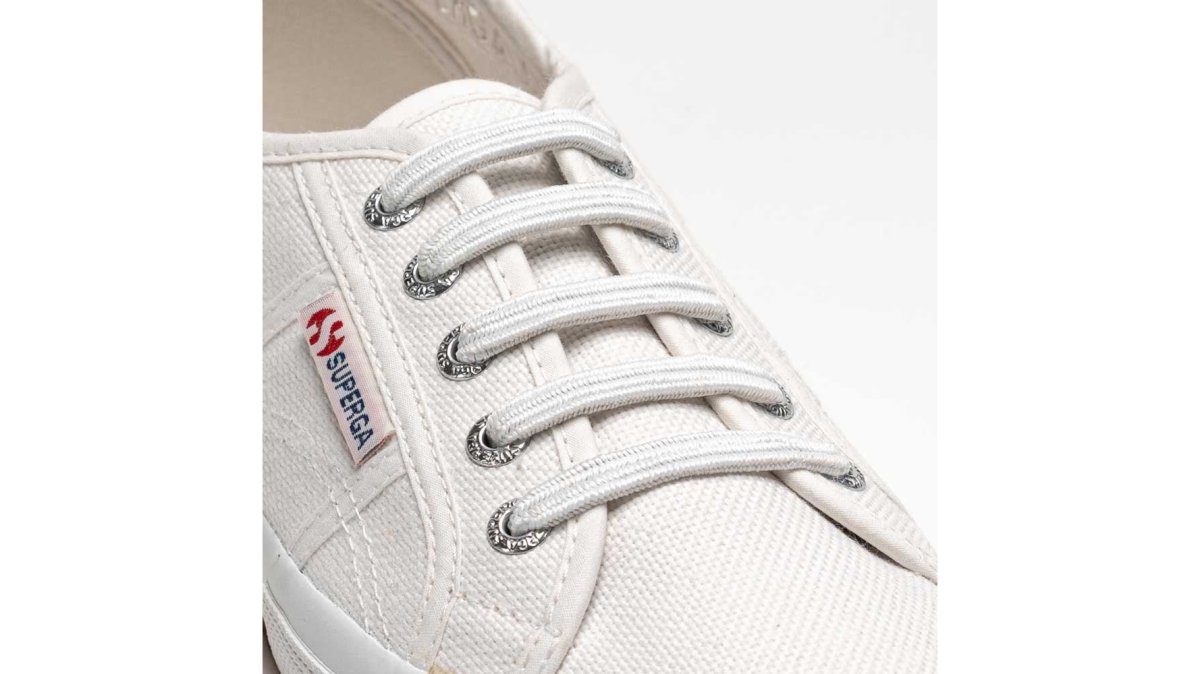
uLace Kiddos balances stretch and security: the laces stretch enough for a child to slide their foot in effortlessly, yet hold firm during active play, preventing trips and falls.
Durability and Material Quality for Active Play
uLace Kiddos uses a stretchable material designed to withstand the daily demands of school, sports, and playground adventures without losing its shape or snapping under pressure.
The material resists stretching out permanently and resists dirt and moisture, so a muddy recess doesn't ruin the look or function (peer-reviewed research).
Color Options and School Dress Code Compliance
Many schools enforce dress codes that restrict footwear colors, and parents need laces that comply without sacrificing style. uLace Kiddos offers neutral options like Canvas, Medium Grey, and Graydient that blend seamlessly with uniform requirements while still giving kids a neat, tidy appearance.

For families with more flexibility, the color range expands to fun choices that kids love: Shocking Pink, Rainbow, Blue Teal, and Scarlet Red. The Sparkly Metallic Silver option adds a touch of shine for kids who want their shoes to stand out, while the Cotton Candy Pink appeals to those who love a softer palette.


How to Install uLace on Kids Shoes Step by Step
Most no-tie lace guides stop at "thread it through," but the real friction happens in the details: stubby toddler eyelets, high-top sneakers, or lost original laces.
What You Need Before You Start
- The uLace Kiddos set
- The child's sneakers, clean and with old laces fully removed
- A flat surface, like a kitchen counter or table
- Optional: a toothpick or paperclip to help tuck the lace end through tight eyelets
Step 1: Remove Old Laces Completely
Pull out the old laces and check that every eyelet is clear. If a lace is stuck, use the toothpick to push it through from the outside. For shoes with a hidden eyelet under the tongue, make sure that one is clear too, it will block the new lace from feeding through.
Step 2: Start at the Bottom, Not the Top
Thread one end of the uLace through the bottom eyelet, going from the outside of the shoe to the inside. Pull it through until you have equal lengths on both sides. This "outside-in" start keeps the knot and clip on the outside of the shoe.
Step 3: Crisscross Up the Eyelets
Work your way up the shoe, crossing the laces over the tongue and feeding each end through the next eyelet from the outside in. Keep the tension light as you go, you'll tighten everything at the end.
Step 4: Adjust Tension Before Locking
Before locking the clip, have your child put the shoe on and stand up. Press down on the toe box to ensure toes aren't cramped; the lace should feel snug but not leave a mark. If too loose, pull both ends evenly; if too tight, unthread the top eyelet and rethread with more slack.
Step 5: Lock and Tuck
Slide the locking clip up to the top eyelet and press it closed. Then take the excess lace and tuck it under the crisscross pattern on the side of the shoe, or feed it back through the top eyelet to hide it. Do not cut the excess, you'll want the full length if you move the laces to a bigger pair of shoes later.
Shoe-Type Variations That Change the Install
| Shoe Type | What Changes | Pro Tip |
|---|---|---|
| Low-top sneakers (most common) | Standard crisscross works fine | Use the full crisscross for even tension |
| High-top sneakers or boots | Extra eyelets mean more length needed | Skip the top eyelet and use a straight-up lace for the last pair to avoid pressure on the shin |
| Shoes with only 3-4 eyelet pairs (toddler sizes) | Less room for tension adjustment | Thread straight up instead of crisscrossing, it gives a more forgiving fit for a growing foot |
| Wide-fit or high-instep shoes | Standard crisscross can feel tight across the top | Use a "straight bar" pattern: run each lace straight up its own side instead of crossing |
Troubleshooting Common Install Problems
The lace won't feed through the eyelet. The lace end may be frayed or the eyelet may be blocked. Dip the lace end in a tiny bit of water to stiffen it, or use the toothpick to clear the eyelet first.
The shoe feels loose after a day of wear. The elastic has stretched slightly from the initial install. Simply unclip, pull both ends to tighten, and re-clip. This is normal during the first week as the lace "breaks in" to your child's foot shape.
The clip digs into the top of the foot. The clip should sit at the top eyelet, not below it. If it's pressing on the foot, tuck the clip under the tongue or reposition it so it rests on the outside of the shoe.
How Long Does the Install Actually Take?
For a standard pair of low-top sneakers with 5 eyelet pairs, the install takes 4-6 minutes on the first attempt (the CDC). Once you've done it once, the second pair typically takes under 3 minutes. The most time-consuming part is getting the tension right.
Comparing No-Tie Lacing Mechanisms for Kids Sneakers
Parents searching for a hickies alternative are comparing actual products they've seen on Amazon or in parenting groups. This section breaks down the three main mechanisms and names the trade-offs.
The Three Mechanisms You'll Actually Find
1. Continuous elastic lace with a spring-loaded lock
This is the design uLace Kiddos uses. A single stretchy cord runs through all the eyelets like a traditional lace, then secures with a small clip or lock at the top. The key advantage is tension control; the trade-off is that installation requires threading through every eyelet.
2. Individual silicone bands (strap-style)
These are separate bands that wrap around each eyelet pair, connecting them like a series of bridges. Installation is faster, you just snap each band over its eyelet pair, and there's no threading at all. The downside is that tension is fixed at the time of installation.
3. Lock-lace systems with a toggle
These use a thin, non-elastic cord with a spring-loaded toggle that you pull to tighten and press to release. The advantage is micro-adjustability. The trade-off is that the thin cord can dig into the top of a child's foot, and the toggle mechanism is a small plastic piece that kids can lose or break.
Real-World Comparison: What Holds Up After 6 Months of School Use
Here's what parents report after a full school year of daily wear:
| Mechanism | Typical Lifespan | Failure Mode | Replacement Cost |
|---|---|---|---|
| Continuous elastic with lock | 6-12 months | Elastic loses stretch and goes slack; lock clip can crack if stepped on | $6-$10 per set |
| Individual silicone bands | 3-6 months | Bands stretch out permanently or snap at the eyelet connection point | $10-$15 per set |
| Lock-lace with toggle | 4-8 months | Toggle mechanism wears out and won't hold tension; cord frays at the eyelet | $8-$12 per set |
These are general patterns from parent reviews, not lab tests. The biggest variable is how the child removes shoes: kicking them off without untying stresses the top eyelet connection.
The Hidden Cost: Shoe Rotation and Sizing
Kids outgrow shoes faster than laces wear out. A $7 set lasting 9 months may need transferring to a new pair halfway through its life, easy with continuous elastic laces, but harder with silicone bands that stretch to fit specific eyelet spacing.
What the Lock Quality Actually Means
The lock or clip fails first on any no-tie system. A weak lock slips gradually, so the shoe feels fine at drop-off but loose by pickup. uLace Kiddos uses a spring-loaded mechanism that grips at multiple points, preventing slow-slip.
Which Mechanism Should You Choose?
- For toddlers (ages 2-4) who are still developing fine motor skills: Continuous elastic laces with a simple lock. The tension adjustability helps as their feet grow quickly, and the single-piece design is harder for little fingers to pull apart.
- For school-age kids (ages 5-10) who are rough on shoes: Continuous elastic laces again. The durability advantage and transferability to new shoes make them the best value over a year of growth.
- For kids with sensory sensitivities who dislike pressure on top of the foot: Individual silicone bands, because they distribute pressure more evenly across the eyelets rather than concentrating it at the top.
- For athletic kids who need mid-activity adjustments: Lock-lace systems with toggles, but only if the child is old enough to use the toggle independently.
Why This Comparison Matters for Your Purchase
The real metric is cost per month of reliable use. A $6.99 set of continuous elastic laces that lasts 9 months and transfers to a second pair costs about $0.39 per month; a $14.99 set of silicone bands that lasts 4 months and can't transfer costs $3.75 per month (consumer.ftc.gov).
What to Ignore When Choosing No-Tie Laces for Kids
Not every marketed feature matters for children's shoes, and some can complicate things.
Skip these considerations:
- Complex adjustment systems: Features designed for athletes who need micro-adjustments mid-activity add unnecessary complexity for kids. A set-it-and-forget-it approach works better.
- Ultra-premium materials marketed for extreme sports: While durability matters, you don't need industrial-grade components for a child's everyday sneakers. Focus on quality that handles normal play.
- Trendy aesthetics over function: A cool look won't matter if the laces don't hold securely. Prioritize function first, then choose colors your child loves from the available range.
What actually matters: How well the laces stay secure during a full day of school and play, how easily your child can slip shoes on and off independently, and whether they hold up through months of washing and wear.
Conclusion: Help Your Child Slip On Shoes Independently
The right elastic shoelaces give your child the confidence to manage their own footwear. When kids can slip on their shoes without help, mornings run smoother and independence carries into other areas of self-care.
uLace Kiddos delivers on every front that matters for children: durable elastic material that survives active play, a color range that fits school dress codes or expresses personal style, and a simple installation that works with the sneakers you already own. At $5.99 per set, it's a small investment with daily returns in convenience and peace of mind.
Frequently Asked Questions
Are hickies alternatives safe for toddlers and young children?
Yes, elastic no-tie laces are generally safe for toddlers and young children. Unlike traditional laces, they eliminate tripping hazards from untied strings. Look for options with a secure locking mechanism and stretchy material that provides a snug fit without being too tight. uLace Kiddos laces are designed specifically for kids' shoes and stay securely in place during active play. Always check that the laces are installed correctly and that the shoe fits well across the width to prevent slipping.
How do no-tie elastic laces compare to traditional shoelaces for children?
No-tie elastic laces offer advantages over traditional shoelaces for children. They let kids slip shoes on and off without help, which builds independence and speeds up morning routines. Elastic laces can provide consistent tension across the foot, reducing pressure points that can come from unevenly tied bows. They also stay clean and tidy since they do not drag on the ground. Traditional laces teach an important skill, so many parents use no-tie options until fine motor skills develop.
What are the best no-tie lace options for kids with sensory sensitivities?
For kids with sensory sensitivities, look for elastic shoelaces made from soft, stretchable material without stiff components. uLace Kiddos laces use smooth, durable silicone that feels comfortable against the foot without adding bulk. The uniform stretch eliminates the feeling of tight, uneven knots. Choose a neutral color like Medium Grey or Canvas to minimize visual distraction. The consistent, gentle pressure of elastic laces can feel more predictable and calming than traditional laces for many children with sensory processing differences.
Can no-tie laces be adjusted for different foot widths?
Yes, elastic no-tie laces can be adjusted to accommodate different foot widths. The tension is set during installation by how tightly you pull the lace through the eyelets before locking it. For wider feet, leave a little more give in the lace. For narrower feet, pull it snugger. uLace laces stretch enough to let kids slide their feet in comfortably while still holding the shoe securely. This adjustability makes them a practical alternative for kids who are between sizes or need extra room.
Parents who switch to uLace Kiddos stop chasing loose laces and start watching their kids handle shoe time on their own. The durable elastic construction, easy push-and-pull installation, and school-approved color options make it the practical choice for families. Get started with uLace Kiddos and give your child the freedom of slip-on shoes they can manage independently.
This article was written using GrandRanker