
Best Moisture-Wicking Socks for Daily Exercise
Last Updated: November 12, 2026
Quick Summary
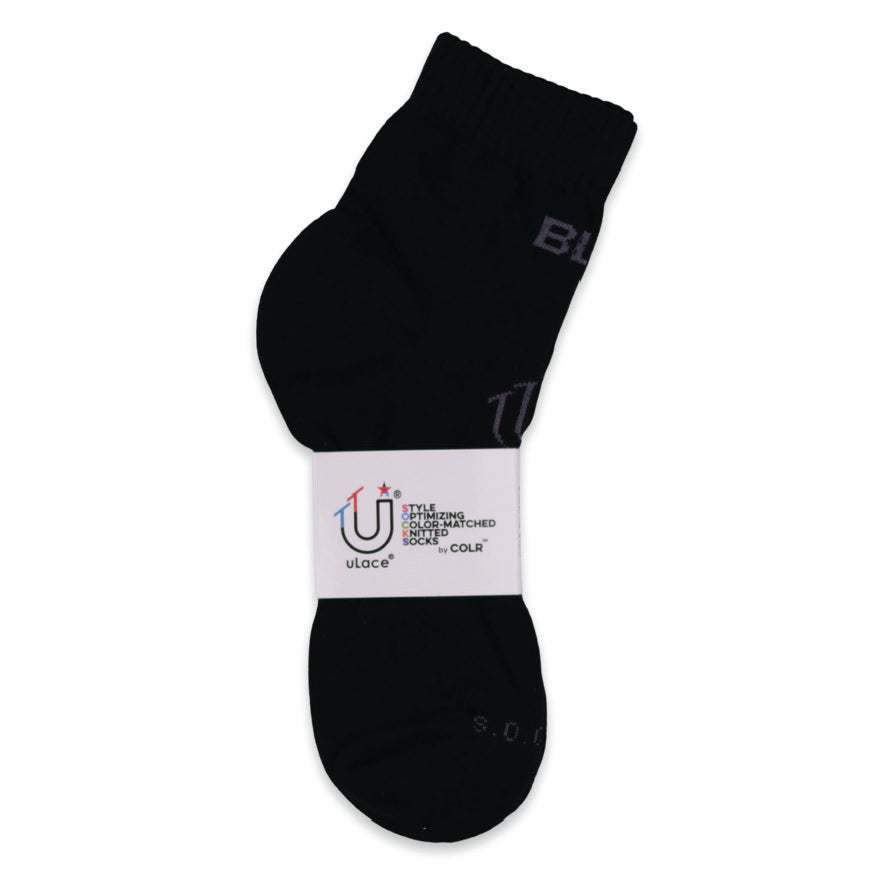
The best moisture-wicking socks for daily exercise use synthetic-dominant blends with spandex and mesh ventilation, not cotton, and fit snugly so they stay put. The COLR by uLace Mid-Calf Socks at $9.99 per pair suit daily wear, gym sessions, and sweaty feet, and come in ten colors.
- Cotton holds sweat against skin and dries slowly, so limit it in athletic socks.
- Polyester pushes moisture outward, nylon adds heel and toe abrasion resistance, and spandex keeps shape.
- Wash socks in cold water, skip fabric softener, and air-dry to preserve wicking performance.
- Rotate three or four pairs so each dries fully between sessions and lasts longer.
- Match sock height to activity: ankle and no-show for gym, mid-calf for running and daily wear.
Table of Contents
- How We Chose the Best Moisture-Wicking Socks for Daily Exercise
- Quick Comparison: COLR by uLace Mid-Calf Socks at a Glance
- Best Moisture-Wicking Socks for Sweaty Feet
- Best Material Socks for Sweaty Feet: What to Look For
- Best Running Socks for Blister Protection
- Best Moisture-Wicking Socks for Women
- Care, Washing, and Long-Term Performance
- Find Your Fit and Take the uLace Quiz
- Frequently Asked Questions
How We Chose the Best Moisture-Wicking Socks for Daily Exercise
The best moisture-wicking socks for daily exercise are the ones that keep feet dry, stay put, and hold up wash after wash. At uLace, we built this guide around the factors that actually matter when you wear the same socks for walks, gym sessions, and errands: fabric blend, breathability, cushioning, fit, and long-term durability.
Most sock roundups rank pairs by how they feel on day one. That misses the point. A moisture-wicking sock has to move sweat away from skin, dry fast between workouts, and keep its shape. We organized this guide by use case instead of hype, with a quick comparison table up front and honest trade-offs for each pick.
Quick Comparison: COLR by uLace Mid-Calf Socks at a Glance
Here is the short version. The COLR by uLace Mid-Calf Socks are a mid-calf sock priced at $9.99 a pair.
| Feature | What It Means for You |
|---|---|
| Height | Mid-calf, stays up during walking and training |
| Colors | Ten options, from Black and Canvas to Bright Purple |
| Price | $9.99 per pair |
| Best for | Daily wear, gym sessions, sweaty feet |
| Care | Machine washable |
You can check the COLR By uLace Mid-Calf Socks in Black to see the exact pair, color, and details before you commit.
Best Moisture-Wicking Socks for Sweaty Feet
For genuinely sweaty feet, the best moisture-wicking socks for sweaty feet combine synthetic fibers or merino wool with mesh ventilation zones and a snug, secure fit. Cotton is the enemy here: it holds moisture against the skin and takes far longer to dry.
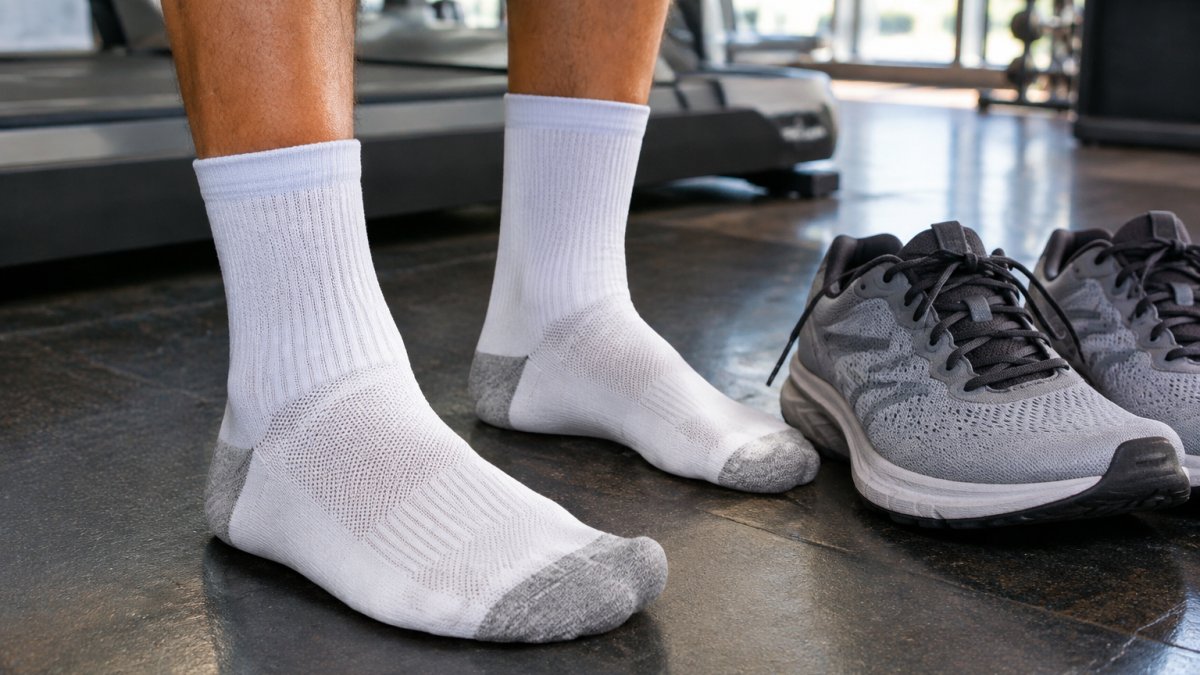
A common mistake is sizing up to "let feet breathe." That backfires: loose socks bunch, rub, and trap heat. A stay-put fit is what keeps air moving.
Best Material Socks for Sweaty Feet: What to Look For
The best material socks for sweaty feet are built from fiber blends, not single fibers, because each fiber does a different job. Polyester and nylon move moisture and resist abrasion, spandex supplies stretch and recovery so the sock stays put, and merino wool adds odor resistance and temperature regulation. The blend ratio matters more than any single ingredient on the label.
Here is how the main fibers actually behave against sweat:
- Polyester: Hydrophobic, so it pushes moisture toward the outer surface instead of holding it against skin. Fast-drying and durable, but it can feel slick and holds odor more than wool.
- Nylon: Adds abrasion resistance at the heel and toe, where socks wear out first. Often blended with polyester rather than used alone.
- Merino wool: Absorbs a small amount of moisture into the fiber while still feeling dry, regulates temperature across cool and warm conditions, and naturally resists odor. Finer grades feel soft; coarser grades can itch.
- Spandex (elastane): Typically a small percentage of the blend. It is what keeps the arch and heel from sagging after repeated washes.
- Cotton: The fiber to limit. It absorbs sweat and holds it against skin, dries slowly, and increases friction, which is why high-cotton socks feel clammy and contribute to blisters on longer days.
Match the blend to the conditions, not just the activity. A thin, high-polyester blend with mesh panels dries fastest in hot, humid weather and indoor gym sessions. A merino-heavy blend is a better call for cool-weather walking and cycling, where temperature swings and odor control matter more than maximum dry time. For daily exercise across seasons, a mid-weight synthetic-dominant blend with some spandex is the most versatile starting point.
Watch out: A "moisture-wicking" label does not guarantee performance. Check the actual fiber percentages on the packaging, because a sock with a high cotton content can still carry wicking marketing language.
Think in cost per wear, not sticker price. A $9.99 pair that keeps its shape and wicking performance through a full season of washes can cost less per workout than a cheaper multi-pack that pills, sags, and gets retired early. Compare pack size, fiber content, and how the heel and toe hold up, then divide by the realistic number of wears. Rotation helps here: cycling three or four pairs gives each one time to dry fully between sessions and extends the useful life of the whole rotation.
Best Running Socks for Blister Protection
The best running socks for blister protection reduce friction first and manage sweat second. A smooth toe seam, light cushioning at the heel and forefoot, and a fit that does not shift inside the shoe all lower the chance of hot spots turning into blisters.
For longer distances, pair them with a lacing setup that keeps the shoe locked to your foot. If you are training for distance, our long-distance running guide for performance socks goes deeper on blister prevention and sock selection.
Watch out: a shoe that is too loose lets the foot slide with every stride, and no sock fixes that. Fix the fit first.
Best Moisture-Wicking Socks for Women
For women, the best moisture-wicking socks follow the same rules as any good athletic sock: a breathable fiber blend, a snug fit, and cushioning where the foot meets the shoe. The real differences are usually sizing, cut, and color, not construction, so the selection process should focus on fit mechanics first.
Start with sizing, not style. Sock sizing is based on shoe size, and a sock that is too large will bunch at the arch and slip at the heel, while one that is too small stretches thin at the toe and heel and wears through faster. Measure against the sock maker's size chart rather than assuming your shoe size translates directly, especially if you are between sizes. When in doubt, size down for a stay-put fit in thin socks and size up only for heavily cushioned styles.
Match the cut to the activity and the shoe. No-show and ankle socks suit gym sessions and low-profile sneakers, but they can slide under the heel during walking and short runs. Mid-calf socks stay put during training and pair well with leggings and capris, where a no-show sock tends to disappear into the shoe. Crew height is the better choice for cooler conditions and for shoes with a higher collar that can rub.
Check the fit points that cause blisters. Run a finger around the heel: if there is slack, the sock will slip with every stride. Check the toe box for pressure against the seams, and make sure the arch band sits snug without pinching. A smooth toe seam and light cushioning at the heel and forefoot reduce friction where hot spots form.
The COLR Mid-Calf Socks come in ten colors, including Cotton Candy Pink, Icy Blue, and Coral Orange. The mid-calf height also suits leggings and capris, where a no-show sock tends to slide down.
Build a rotation instead of relying on one pair. Buy two or three pairs in neutral colors and rotate them so each pair dries fully between washes. Rotation extends lifespan, keeps odor down, and means a single lost or worn pair does not sideline your routine. For readers comparing options across activities, the same fit checklist applies whether the sock is marketed to women or men; construction and fit do the work, and color is the last decision, not the first.
Care, Washing, and Long-Term Performance
Long-term performance comes down to three habits: wash in cold water, skip the fabric softener, and air-dry when you can. Fabric softener coats the fibers and reduces wicking performance over time. High heat in the dryer breaks down spandex and elastic, which is what keeps a sock from sagging.
- Wash inside out to protect the inner knit
- Use cold water and a gentle cycle
- Skip fabric softener and dryer sheets
- Tumble low or air-dry
- Rotate pairs to extend life
Abrasion resistance matters too. The heel and toe wear out first, so check those zones when a pair starts to feel thin. For readers who want the bigger picture on gear that lasts, our performance running gear essentials guide covers how socks fit into a durable kit.
Find Your Fit and Take the uLace Quiz
Fit is the whole game with moisture-wicking socks. A sock that gaps at the heel or bunches at the arch will rub, trap sweat, and fail at the one job you bought it for. Match the height to your activity: ankle and no-show socks for gym sessions, mid-calf for running and daily wear, crew for colder conditions.
The same logic applies to laces. uLace makes elastic, no-tie shoelaces that turn any sneaker into a slip-on, and a secure lace setup keeps the shoe locked to your foot, which is half the battle against heel slippage and blisters. If you want laces that complement your sock rotation, see the benefits of quick-tie shoelaces for daily wear.
Take the uLace quiz to find the right laces for your shoe type and routine.
Your feet deserve better than cotton socks and laces that come untied mid-run. uLace has been making no-tie elastic laces since 2009, with a simple push-and-pull install, a wide range of colors, and fast shipping. Pair them with our COLR Mid-Calf Socks for a dry, secure, slip-on setup. Get started with uLace and build a daily exercise kit that stays put.
Frequently Asked Questions
What is the most moisture-wicking sock material?
Merino wool and synthetic fibers like polyester and nylon are the most moisture-wicking. Merino wool absorbs moisture while still feeling comfortable, while synthetics pull sweat away from the skin and dry quickly. Blends that combine these fibers with mesh panels offer the best breathability. Cotton, on the other hand, holds moisture and should be avoided for daily exercise.
Do moisture-wicking socks actually work?
Yes. Moisture-wicking socks move sweat away from your skin to the outer surface where it evaporates faster. This keeps your feet dry, reduces friction, and helps prevent blisters. For daily exercise, the difference is noticeable: feet stay cooler and less soggy, and socks don't bunch up inside your shoes. Pair them with breathable shoes for the best results.
Are merino wool socks good for daily exercise?
Merino wool socks are excellent for daily exercise. They regulate temperature, wick moisture, and resist odor naturally. Unlike traditional wool, merino is soft and not itchy. For high-sweat activities, a merino-synthetic blend often works best because it combines moisture management with durability. Just check the care label, as some wool socks require gentler washing.
How often should you replace workout socks?
Replace workout socks every 6 to 12 months, depending on frequency of use and wash cycles. Signs it's time include thinning fabric, stretched elastic, persistent odor after washing, or visible holes. Rotating several pairs extends their life. For daily exercisers, keeping 5 to 7 pairs in rotation ensures you always have a dry, supportive pair ready.
What are the best socks for working on your feet all day?
Look for moisture-wicking socks with light cushioning and arch support. Mid-calf styles like COLR by uLace Mid-Calf Socks ($9.99) are one option to consider. Avoid cotton, which traps sweat. A snug but not tight fit prevents bunching and reduces foot fatigue, making them ideal for all-day wear.
