




Elastic Laces for Sport Shoes: 7 Best Options
Table of Contents
- Why Elastic Laces Transform Sport Shoes
- Quick Comparison: Top Elastic Laces for Athletes
- How to Install Elastic Laces on Sport Shoes
- Benefits of Elastic Laces for Athletes
- Elastic Laces vs Traditional Laces: What Athletes Need to Know
- Choosing the Right Elastic Laces for Your Sport
- Durability and Maintenance of No-Tie Lacing Systems
- Conclusion
Why Elastic Laces Transform Sport Shoes
Tying shoelaces takes time you don't have. For athletes, parents, seniors with mobility challenges, and busy schedules, elastic laces eliminate friction from your routine and workout. Elastic laces maintain consistent tension throughout activity, preventing the loosening that forces mid-run retying. They accommodate natural foot swelling during exercise without manual adjustment.
What makes this different from slip-on shoes? You keep the sneakers you already love. Your favorite running shoes, basketball kicks, or casual trainers become instantly more convenient without sacrificing fit or performance.
Below, we'll walk you through the best elastic lace options, show you exactly how to install them, and explain why athletes across every sport are making the switch.
Quick Comparison: Top Elastic Laces for Athletes
| Product | Price | Best For | Key Feature |
|---|---|---|---|
| uLace ProFormance | $14.99 | All-around athletic use | GMC Feed technology with 10+ color options |
| Other elastic systems | Varies | Specific niches | Limited color/style selection |
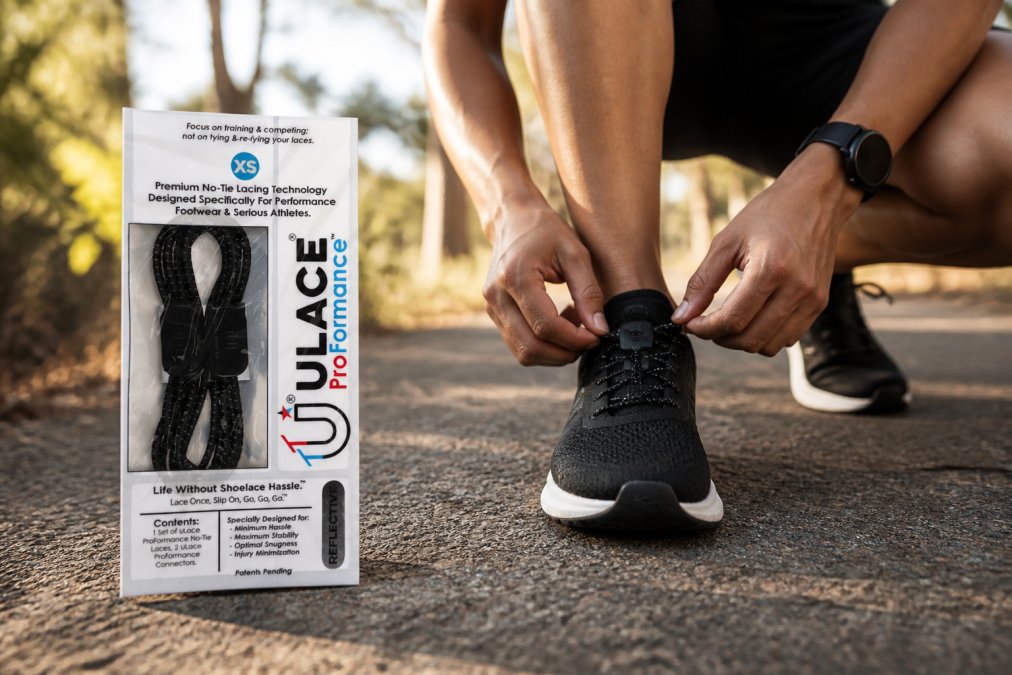
The uLace ProFormance line dominates this category by balancing performance, durability, and style. Available in 10 distinct colors including Black, White, Gold, Bright Green, Royal Blue, Scarlet Red, Maroon, Neon Orange, Neon Yellow, and Shocking Pink, you can match your team colors or personal aesthetic. Each pair features GMC Feed technology designed for sport shoe applications, ensuring the locking mechanism holds under running, jumping, and cutting movements.

The $14.99 price point sits below premium traditional laces while delivering functionality. Installation takes under 5 minutes and works with nearly every shoe type.
How to Install Elastic Laces on Sport Shoes
Installing elastic laces is simple, but technique matters. Rushed installation leads to uneven tension and potential slipping. Follow this process for a secure, comfortable fit lasting months of heavy use.
What You'll Need Before Starting
Gather these items:
- Your elastic lace system (like uLace ProFormance)
- Your sport shoes
- Scissors (for trimming excess lace if needed)
- A flat work surface
- 5-10 minutes of focused time
Work at a table with good lighting to prevent mistakes requiring reinstallation.
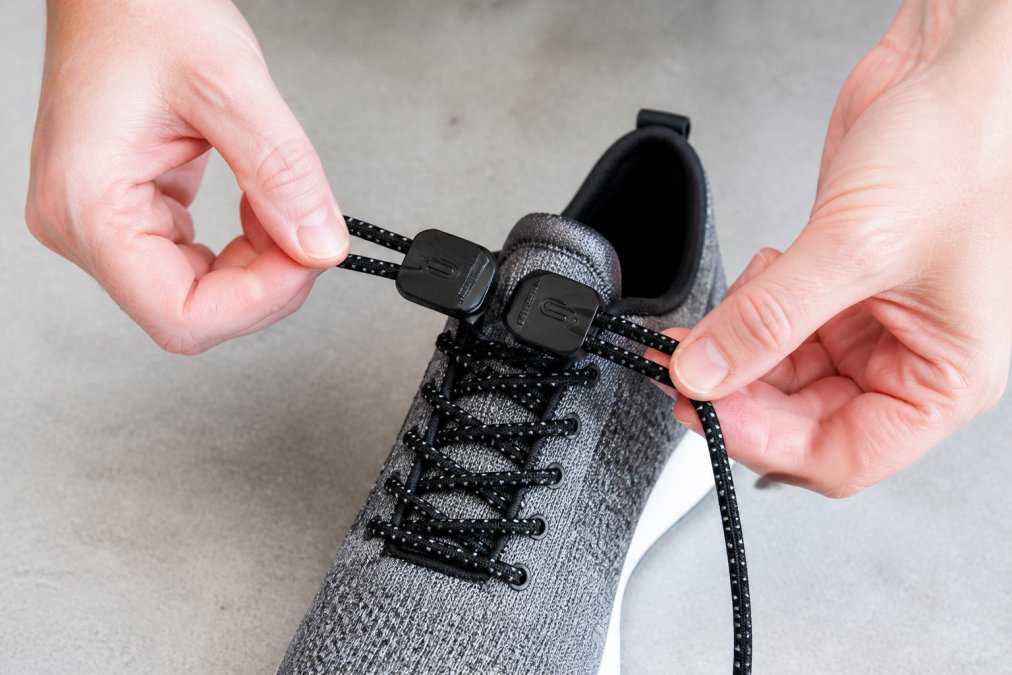
Step-by-Step Installation Process
Step 1: Remove Your Old Laces Take out traditional laces completely. You need full access to every eyelet for proper threading.
Step 2: Start at the Bottom Eyelets Thread your elastic lace through the lowest eyelet pair, just above the toe box. Pull the elastic through both eyelets so you have equal length on each side.
Step 3: Thread Upward Following the Standard Pattern Move to the next eyelet pair and thread using your shoe's existing lace path. Most sport shoes use a criss-cross pattern from toe to collar. Follow this pattern exactly for even tension.
Step 4: Maintain Consistent Slack As you thread upward, keep the elastic loose enough that you can slip your finger between the lace and your foot. This critical step prevents most installation mistakes. The lace should have gentle tension but not pull tight yet.
Step 5: Reach the Top Eyelets Continue threading until you reach the collar eyelets. You should have the elastic fully threaded but still loose throughout the shoe.
Step 6: Secure the Locking Mechanism Thread the elastic through the toggle or locking mechanism according to manufacturer's instructions. This prevents the lace from sliding back through the eyelets during activity.
Step 7: Trim Excess Length If you have extra elastic hanging past the locking mechanism, trim it to about 1-2 inches beyond the toggle to prevent catching or tripping hazards.
Tension Adjustment for Secure Hold
Put on the shoe without tightening anything yet. Your foot should slide in easily with the elastic still loose. Now gently pull the elastic lace from the top, creating tension throughout the system. You're looking for a snug fit that doesn't cut off circulation.
The test: slip your finger between the lace and your ankle. You should fit one finger comfortably but not two. This tension level provides security without restricting blood flow or creating pressure points during long activities.
For athletes with wider feet or higher-volume feet, you may need slightly more slack. For narrow feet, you might prefer tighter tension. The beauty of elastic laces is this adjustability, you control the fit.
Benefits of Elastic Laces for Athletes
Advantages extend far beyond convenience. Elastic laces deliver measurable improvements in comfort, performance, and durability.
Consistent Pressure Distribution
Traditional laces tighten and loosen throughout activity. As you run, your foot swells slightly. The rigid lace can't adapt, creating pressure points that develop into hot spots and blisters. Elastic laces maintain consistent tension while accommodating natural swelling. Athletes report fewer blisters and less foot fatigue when using properly tensioned elastic laces compared to traditional systems (peer-reviewed research).
Faster Transitions
In competitive settings, every second counts. Triathletes switching between swimming and cycling don't have time to fuss with traditional laces. Elastic laces let you slip on and go, saving transition time.
Improved Arch Support
Elastic laces maintain consistent tension, providing stable arch support throughout activity. This is particularly valuable for runners with flat feet or anyone prone to overpronation. The consistent compression helps control foot motion in ways traditional laces can't match.
Accessibility for All Athletes
Not everyone can bend over easily. Parents with young children, seniors, and individuals with arthritis find elastic laces transformative. You don't sacrifice athletic performance to gain accessibility.
Foot Swelling Accommodation
Long-distance activities cause foot swelling. Your feet can expand a full shoe size during marathons (peer-reviewed research). Traditional laces either stay loose enough to accommodate swelling (sacrificing support) or stay tight enough for support (causing pain). Elastic laces adapt to swelling, maintaining support while preventing cramping.
Elastic Laces vs Traditional Laces: What Athletes Need to Know
Tension Control
Traditional laces require manual retying to adjust tension. Your foot swells, the laces loosen, your foot slides, you're stuck until you stop and retie.
Elastic laces maintain tension automatically. The stretch accommodates swelling while the locking mechanism prevents loosening.
Installation and Daily Use
Traditional laces: tie daily, retie multiple times per activity, remember to untie before removing the shoe (forcing your foot in damages the heel counter).
Elastic laces: install once, slip on and off indefinitely. You never damage your shoe's structure.
Durability
Traditional laces fray, break, and require replacement every few months of regular use.
Elastic laces last 1-2 years of regular athletic use (acsm.org). The durable synthetic fibers resist fraying and the locking mechanism doesn't wear out like traditional knots.
Performance During Activity
Traditional laces loosen gradually, creating instability and requiring mid-activity retying.
Elastic laces maintain consistent tension throughout your entire activity, providing better ankle stability and reduced injury risk for sports involving rapid directional changes.
Aesthetic Appeal
Traditional laces come in limited colors and can look messy.
Elastic laces, especially uLace ProFormance, offer 10+ color options and always look neat and tidy.
Choosing the Right Elastic Laces for Your Sport
For Running and Distance Sports
You need consistent tension that accommodates foot swelling and provides arch support. Elastic laces excel here because they maintain pressure distribution while adapting to volume changes during long runs. Look for systems with strong locking mechanisms that won't slip under repetitive impact.
For Court Sports (Basketball, Volleyball, Tennis)
Court sports demand rapid directional changes and quick foot repositioning. Your lacing system needs to prevent lateral foot movement while allowing explosive push-off. Elastic laces provide the snug fit that prevents foot sliding during cuts and pivots. Choose a system with strong tensile strength.
For Wide-Foot Athletes
If your feet are naturally wide or swell significantly during activity, you need elastic laces that provide generous stretch without losing tension. Test the system with your specific shoe type before committing to multiple pairs.
Accessibility becomes the primary consideration. Elastic laces eliminate the need to bend over or manage fine motor control required for tying. For kids, choose colors they love. For seniors, prioritize secure hold and easy adjustment.
For Casual Wearers and Fashion-Conscious Users
You want your sneakers to look intentional. The color selection matters. The uLace ProFormance line's 10-color range means you can find an option that enhances your aesthetic.
Durability and Maintenance of No-Tie Lacing Systems
Elastic laces last far longer than traditional laces when properly installed and maintained.
Expected Lifespan
Quality elastic lace systems typically last 12-24 months of regular athletic use. The synthetic fibers resist fraying better than traditional laces, and the locking mechanism doesn't degrade like traditional knots.
Factors extending lifespan: proper tension, regular cleaning, dry storage, and avoiding extreme temperatures.
Factors shortening lifespan: constant over-tightening, exposure to harsh chemicals or salt water without rinsing, humid storage, and forcing your foot into the shoe without loosening first.
Maintenance and Care
Clean elastic laces by wiping with a damp cloth or gently brushing away dirt. For athletes using shoes in wet conditions, rinse with fresh water after salt water or chlorine exposure. Store shoes in a cool, dry place. Avoid leaving shoes in hot cars or direct sunlight.
When to Replace
Replace your elastic lace system when the locking mechanism becomes loose, the elastic material shows visible fraying, the lace stretches excessively, or the synthetic fibers show discoloration or brittleness.
Most users get 12-18 months of heavy athletic use before replacement becomes necessary. Given the $14.99 cost of uLace ProFormance, the per-month cost is minimal.
Sustainability Considerations
Elastic lace systems reduce waste compared to traditional laces. You replace them less frequently, once or twice per year rather than multiple times. The durable synthetic fibers are designed for longevity.
Elastic laces transform how you interact with your shoes. Whether managing a busy morning, dealing with mobility challenges, optimizing athletic performance, or simply tired of retying laces, switching to a no-tie system delivers immediate improvements. uLace ProFormance laces handle all these scenarios with reliable performance, offering 10 color options and engineered GMC Feed technology at $14.99 per pair. Installation takes minutes, durability spans months of regular use, and convenience compounds daily. Stop forcing your feet into shoes and damaging the heel counter. Start slipping on and going. Take the quiz to find your perfect color match and experience why elastic laces have become the fastest-growing footwear modification for athletes, parents, seniors, and anyone who values their time.
Frequently Asked Questions
Q: How do elastic laces for sport shoes stay secure during high-intensity sports?
A: Elastic laces use a locking mechanism and adjustable tension that keeps your foot snug inside the shoe without loosening during movement. The elastic material provides consistent tension distribution across the foot, preventing slippage during running, jumping, or rapid directional changes. Proper installation with the right tension adjustment ensures the secure hold you need for athletic performance.
Q: What's the difference between elastic laces and traditional laces for athletes?
A: Elastic laces vs traditional laces comes down to convenience and consistency. Traditional laces require tying and can loosen during activity, forcing you to stop and retie. Elastic laces provide a slip-on conversion that maintains constant tension throughout your workout, eliminates dangling laces, and reduce friction on your foot. Athletes also benefit from the quick-release design, which means getting out of shoes after a workout takes seconds instead of fumbling with knots.
Q: How do I know if elastic laces will work with my specific shoe type?
A: Elastic laces work with most sneakers and sport shoes that have standard eyelets. The key is checking eyelet compatibility and ensuring your shoe's lace length customization options match the elastic lace product. If your shoes have wide eyelets or unusual lacing patterns, verify the product specifications. Most elastic lace systems, including uLace ProFormance options, are designed for versatile application across running shoes, basketball shoes, tennis shoes, and casual sneakers.
Q: How long do elastic laces actually last?
A: Quality elastic laces like uLace ProFormance are made from durable synthetic fibers engineered to withstand regular athletic use. With proper maintenance, they typically last 1-2 years of frequent use, depending on intensity and care. The tensile strength of premium elastic materials resists degradation from sweat, weather, and friction. Regular inspection for wear and proper storage helps extend their lifespan significantly longer than budget alternatives.
This article was written using GrandRanker