




Slip-On Sneakers vs. Neat Laces: Which Wins?
Table of Contents
- The Trade-Off: Convenience vs. Aesthetics
- Benefits of Slip-On Footwear
- Keeping Sneakers Looking Neat and Tidy
- No-Tie Elastic Shoelaces: The Best of Both Worlds
- How to Style Sneakers for a Clean Look
- Durability and Long-Term Performance
- Who Should Choose Each Approach
- Frequently Asked Questions
Last Updated: September 22, 2026
The Trade-Off: Convenience vs. Aesthetics
Most people want both: sneakers that look polished and the slip-on sneakers convenience that comes with easy entry. Traditional laces demand effort every time you put your shoes on, while slip-on convenience saves time but dangling laces undermine the aesthetic.
The real question is whether you're willing to modify your existing sneakers to get convenience without sacrificing appearance. That's where no-tie elastic shoelaces enter the picture. At uLace, we've spent years helping people solve exactly this problem by transforming their favorite sneakers into hassle-free slip-ons while keeping them looking sharp.
A parent rushing out the door needs quick slip-on and slip-off convenience for easy shoe access. A professional wants sneakers that look intentional. A senior with arthritis can't bend to tie laces but wants secure, presentable shoes. These aren't conflicting needs, just different priorities.
This guide walks you through the real trade-offs, shows you how elastic laces bridge the gap, and helps you decide which approach actually fits your life.
Benefits of Slip-On Footwear
Slip-on sneakers eliminate friction from your daily routine: no bending, no tying, no fumbling with laces when you're in a hurry. The benefits run deeper than speed.
For parents managing multiple children's schedules, slip-on footwear cuts morning chaos significantly. Seniors and individuals with mobility challenges find slip-on designs transformative, the ability to put on shoes without bending or struggling with fine motor tasks changes daily independence.
When shoes are easy to put on, you're more likely to wear them for quick errands. Active individuals and frequent travelers appreciate the speed factor during transitions.
The security question matters too. Quality slip-on designs with proper heel counter support and elastic tension hold your foot in place just as effectively as traditional lacing, sometimes better, since the fit adjusts to your foot rather than requiring you to manually achieve the right tension.
Keeping Sneakers Looking Neat and Tidy
Your sneakers' appearance signals attention to detail and care. Dangling laces undermine that message instantly, making even expensive sneakers look neglected.
Keeping sneakers looking neat and tidy traditionally means maintaining your laces: ensuring they're tied snugly, keeping them clean, and managing fraying. Laces get dirty from ground contact and create visual clutter when not perfectly arranged.
Why Dangling Laces Hurt Your Look
Dangling laces signal carelessness even when they're not your fault, laces naturally come loose throughout the day. One moment your shoes look fine; the next, you're walking around with strings flapping.
Dangling laces collect dirt, drag through puddles, tangle with pant legs, and suggest your footwear isn't under control.
How No-Tie Elastic Shoelaces Solve This
No-tie elastic shoelaces eliminate the dangling lace problem entirely. They stay put because they're designed to maintain consistent tension. Your foot enters the shoe smoothly, the elastic accommodates the motion, and the laces remain organized and secure. No retying. No fraying ends. No visual clutter.
This is where the trade-off dissolves. Elastic laces deliver both benefits: the keeps sneakers looking neat and tidy appearance combined with allows for quick slip-on and slip-off convenience for easy shoe access functionality. Your sneakers look intentional and polished while requiring zero lacing effort.
The aesthetic consistency stays constant throughout the day. Unlike traditional laces that gradually loosen and require adjustment, elastic laces maintain their appearance and fit from morning until night. For fashion-conscious sneaker enthusiasts looking to customize and personalize their footwear style, this consistency is crucial.
No-Tie Elastic Shoelaces: The Best of Both Worlds
The innovation behind no-tie elastic shoelaces addresses the core problem: traditional lacing forces you to choose between convenience and appearance. Elastic laces eliminate that forced choice. They're the bridge between the two priorities that seemed incompatible.
What makes this work is the engineering. Elastic laces stretch to accommodate foot entry, then return to their original shape to maintain tension and organization. This isn't just about making shoes easier to put on, it's about maintaining security, fit, and appearance simultaneously. Your foot stays stable inside the shoe. The laces stay organized and clean-looking. You never bend down to tie.
What Makes Elastic Laces Different
Elastic laces function fundamentally differently from traditional shoelaces. Rather than relying on knots and manual tension adjustment, they use elastic material to create consistent, adjustable compression around your foot. The elasticity allows the shoe to expand for entry and contract for security without any action on your part.
The design prevents the common problems that plague traditional laces. They don't come untied because they're not tied, they're engineered to stay in place through elastic tension. They don't dangle because the elastic keeps them organized against the shoe. They don't fray at the ends because quality elastic laces are constructed to resist wear.
Different elastic lace products vary in construction and material quality, but the core principle remains consistent: replacing knot-based tension with elastic-based tension. This shift changes the entire user experience. You're no longer managing your laces throughout the day; the laces are managing themselves.
Installation and Fit Adjustment
Installing elastic laces is straightforward, no special tools required. Most elastic lace systems use a simple push-and-pull method. You thread the elastic laces through your shoe's existing lace holes, just like traditional laces. The difference is in how they stay in place and maintain tension.
Fit adjustment happens during installation, not throughout the day. You position the elastic laces to match your foot's width and the shoe's structure, then the elastic automatically accommodates your foot each time you put the shoe on. Unlike traditional laces where you manually adjust tension by tightening or loosening knots, elastic laces adapt elastically to your foot.
For people with concerns about fit, whether you have wide feet, narrow feet, or specific support needs, elastic laces offer consistency. The tension remains constant. Your foot experiences the same secure fit every time you wear the shoe. This is particularly valuable for individuals with fine motor challenges or disabilities requiring accessible footwear solutions, where manual adjustment isn't practical or possible.
| Aspect | Traditional Laces | Elastic Laces |
|---|---|---|
| Installation | Tie knots manually | Thread through holes once |
| Daily adjustment | Retie throughout day | None required |
| Appearance | Visible knots, dangling strings | Clean, organized look |
| Convenience | Requires bending and tying | Quick slip-on access |
| Security | Depends on knot tightness | Consistent elastic tension |
| Maintenance | Frequent retying | Minimal upkeep |
How to Style Sneakers for a Clean Look
Styling sneakers for a clean look goes beyond just the laces, it's about the overall presentation. Clean sneakers paired with organized, intentional lacing (or the absence of visible laces) creates a polished impression. The sneaker becomes a deliberate style choice rather than a default fallback.
Start with cleanliness. Dirty rubber outsoles and scuffed uppers undermine even the best lacing situation. Regular cleaning keeps sneakers looking maintained and intentional. When your sneakers are clean and your laces are organized, whether through traditional neat lacing or the simplified appearance of elastic laces, your footwear reads as part of a considered outfit.
Color coordination matters more than many realize. Matching your lace color to your sneaker or your outfit creates visual coherence. Contrasting lace colors can work as intentional design choices, but they need to feel deliberate rather than accidental. With elastic laces, you maintain that color consistency throughout the day without the distraction of loose or fraying strings. Refining these daily comfort choices helps bridge the gap between casual aesthetics and the elevated standards of streetwear vs high fashion for daily comfort.
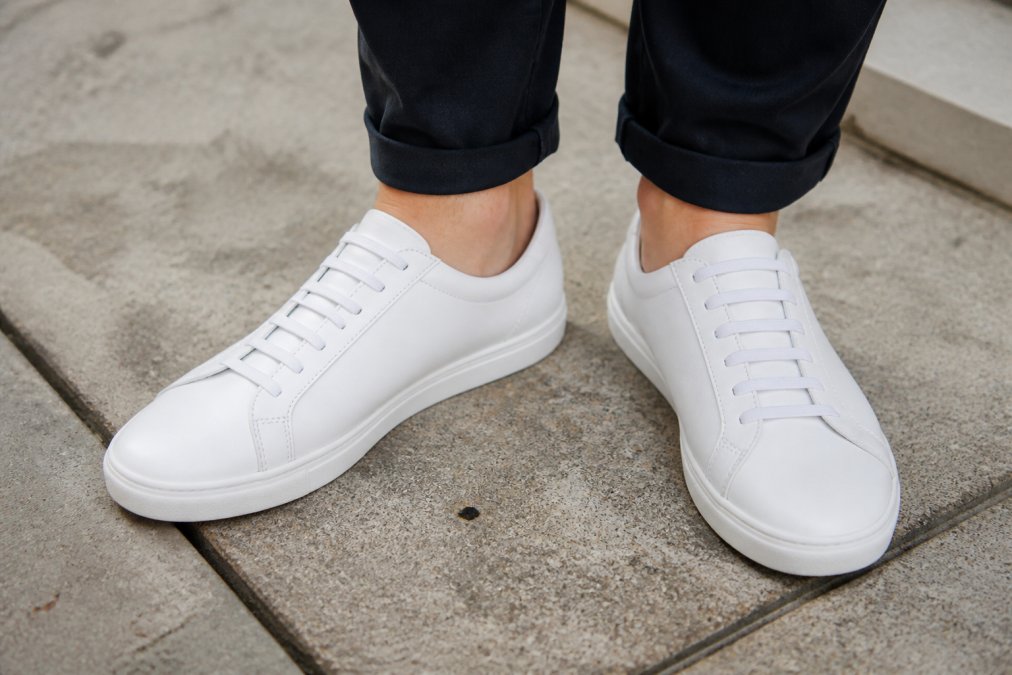
The fit adjustment also affects appearance. Sneakers that fit properly look better than loose or overly tight shoes. Elastic laces help maintain optimal fit consistency, which contributes to the overall aesthetic.
Durability and Long-Term Performance
Long-term structural integrity matters when you're investing in footwear modifications. Elastic laces need to maintain their elasticity over months of regular use. Quality matters significantly here. Poorly constructed elastic laces lose tension quickly, defeating the entire purpose. You're back to loose shoes and dangling strings within weeks.
Who Should Choose Each Approach
The choice depends on your specific priorities and lifestyle. Traditional laces remain the right choice for certain situations and preferences. If you love the ritual of tying your shoes, prefer maximum customization through knot tension, or rarely experience issues with laces coming loose, traditional lacing works fine. Some people simply prefer the aesthetic of visible, well-maintained laces as part of their sneaker style.
Frequently Asked Questions
Do no-tie elastic shoelaces provide enough support for daily wear?
Yes. No-tie elastic shoelaces create a secure closure that stays tight throughout the day without the need to retie. The elastic material stretches to accommodate your foot and maintains consistent tension, providing reliable arch support and heel counter stability. Many users report that elastic laces feel more comfortable than traditional laces because they distribute pressure evenly across the foot rather than creating pressure points from tight knots.
Can I use no-tie elastic shoelaces on any sneaker?
No-tie elastic shoelaces work on most standard sneakers, but fit depends on your shoe's lace hole spacing and your foot width. If your shoes are already tight when laced normally, elastic laces will stretch to accommodate slip-on access without making them harder to get on. uLace offers both Classic and Shorts styles to match different shoe types and preferences. If you're unsure, checking your shoe's lace pattern before ordering ensures the best fit.
How long do no-tie elastic shoelaces actually last?
Quality elastic laces are designed for long-term durability. The material resists daily wear, stretching, and foot entry stress better than traditional shoelaces. With regular use and basic maintenance, elastic laces maintain their elasticity and security for months of consistent wear. Cleaning them periodically with mild soap and water keeps them looking fresh and extends their lifespan. Unlike standard laces that fray and break, elastic laces retain their function and appearance over extended use.
What's the difference between keeping sneakers neat with traditional laces vs. using slip-on convenience?
Traditional laces require constant retying and can become dirty, frayed, or dangling, which impacts sneaker aesthetics. Slip-on convenience eliminates this problem by removing the need to tie altogether. No-tie elastic shoelaces bridge both needs: they keep sneakers looking neat and tidy by staying hidden and secure, while providing the fast slip-on and slip-off access that makes daily routines faster. You get the clean look without sacrificing the convenience.