




Are No Tie Laces Durable? What to Expect Over Time
Last Updated: October 26, 2026
Quick Summary
No tie laces are durable enough for daily wear, but their lifespan depends on the elastic core, the locking mechanism, and how much movement the shoe allows inside. Expect the elastic to age and the set tension to drift over time, so watch for lost elasticity and replace worn laces rather than stretching them tighter.
- Traditional laces often last longer in raw years because they are not under constant load.
- No-tie laces hold a set tension that can drift as the elastic ages.
- A $14.99 no-tie set worn daily for a year costs about four cents per day.
- Keep tension even during installation so no single eyelet carries the load.
- Stretching a worn lace tighter accelerates failure and can let the shoe slip.
Table of Contents
- How No-Tie Laces Work and What Durability Really Means
- How Long Do Elastic Laces Last?
- Materials, Construction, and What Holds Up
- Fit, Tension, and Heel Lockdown
- Do Elastic Laces Work for Running?
- No-Tie Laces vs Traditional Laces: A Side-by-Side Look
- How to Install No-Tie Shoelaces for a Longer-Lasting Fit
- Find the Right No-Tie Laces for Your Shoes
- Frequently Asked Questions
How No-Tie Laces Work and What Durability Really Means
No-tie laces are elastic cords that stretch over your foot and hold tension without a knot, and their durability depends on the elastic core, the locking mechanism, and how much movement the shoe allows inside. The question is simple: are no tie laces durable enough to replace traditional laces for good? Evaluating the longevity of these components requires a discerning eye for spotting durable products that maintain their structural integrity through repeated cycles of tension and release.
uLace's guide to elastic shoelace options
Elastic Laces vs. Traditional Laces: The Core Difference
Elastic, no-tie laces let you slip sneakers on and off without untying (When You Should (and Shouldn't) Use Elastic Shoelaces).
For a deeper comfort comparison, see our breakdown of elastic laces versus traditional shoestrings.
How Long Do Elastic Laces Last?
- **
- **
- **
- **
What Shortens Lace Lifespan
For a fuller look at expected lifespan by lace type, read our guide on how long elastic shoelaces last.
Materials, Construction, and What Holds Up
Runner's World's coverage of elastic laces
Construction Details That Matter
Three components decide how a no-tie lace ages:
- **
- **
- **
Durability by Use Case and Environment
- **
- **
- **
- **
- **
No-Tie vs. Traditional Laces: Lifespan, Security, and Repair
- Lifespan: traditional laces often last longer in raw years because they are not under constant load, but they fray at tips and eyelets and need retying.
- Security: traditional laces allow per-tie tuning; no-tie laces hold a set tension that can drift as the elastic ages.
- Repairability: traditional laces are cheap and easy to replace; no-tie laces may need the lock or cord replaced separately.
- Cost per use: a $14.99 no-tie set worn daily for a year is about four cents per day, competitive with replacing conventional laces more often.
For a deeper comfort comparison, see our breakdown of elastic laces versus traditional shoestrings.
Fit, Tension, and Heel Lockdown
Triathlete's analysis of elastic shoelaces
uLace ProFormance - Performance No-tie Laces - Black →
Do Elastic Laces Work for Running?
durable elastic shoelaces for running covers which constructions hold up best under mileage.
No-Tie Laces vs Traditional Laces: A Side-by-Side Look
| Factor | No-Tie Elastic Laces | Traditional Laces |
|---|---|---|
| Put on / take off | Slip on, no tying | Tie and untie each time |
| Tension consistency | Constant, set once | Changes as knots loosen |
| Heel lockdown | Good when tension is set right | Strong, adjustable per tie |
| Wear points | Elastic core, eyelet rub | Fraying at tips and eyelets |
| Care | Wipe clean, air dry | Machine washable |
| Best for | Daily wear, kids, seniors, travel | Sports needing per-run tuning |
How to Install No-Tie Shoelaces for a Longer-Lasting Fit
- Remove the stock laces and thread the elastic lace through the bottom eyelets, alternating sides.
- Work upward, keeping tension even so no single eyelet carries the load.
- Fit the locking mechanism at the top and set tension with the shoe on your foot.
- Walk for two minutes, then adjust once more before trimming any excess.
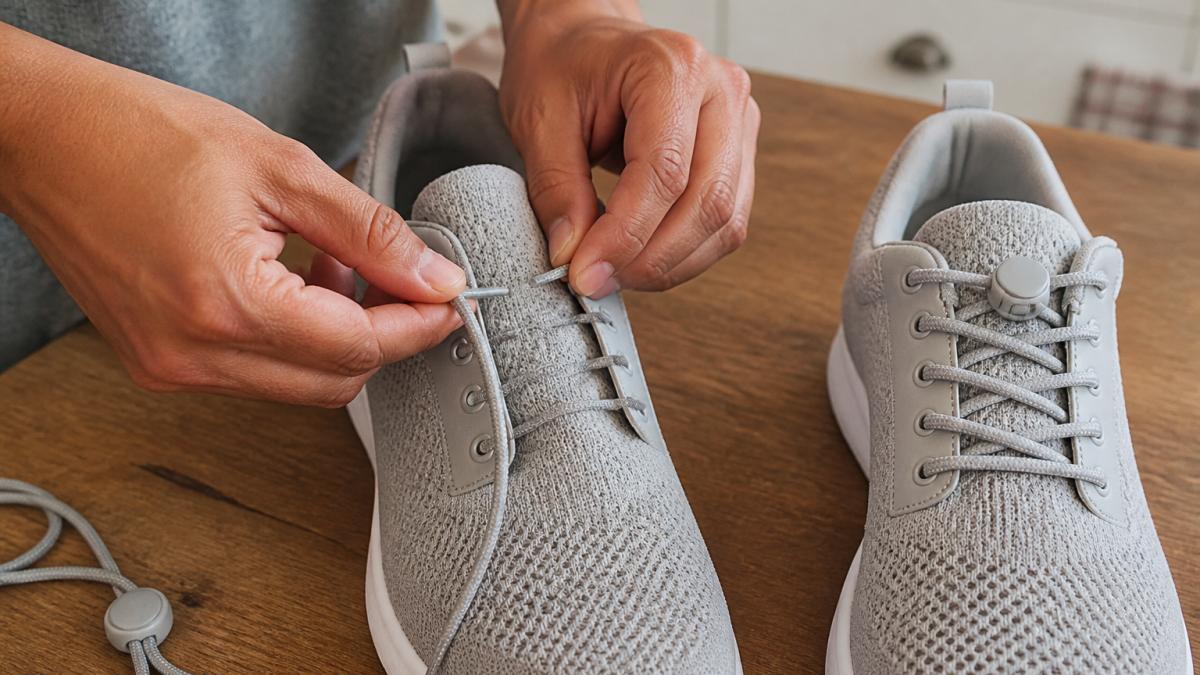
Our step-by-step installation guide walks through each stage with photos.
Signs It's Time to Replace Your Laces
Watch out: stretching a worn lace tighter to compensate for lost elasticity accelerates the failure and can let the shoe slip at the worst moment.
Find the Right No-Tie Laces for Your Shoes
Our uLace ProFormance no-tie laces cost $14.99 and come in Black, White, Gold, Bright Green, and Royal Blue. They install with a simple push-and-pull method and keep sneakers looking neat and tidy.

Best for: Skip if:
Frequently Asked Questions
Are no-tie laces durable enough for everyday shoes?
For most daily wear, yes. Elastic no-tie laces are built to stretch and rebound through repeated slip-on cycles. The main threats are over-stretching during installation, heat exposure, and fraying at the eyelets. Checking tension every few weeks and trimming any loose threads early keeps a pair going far longer than ignoring small signs of wear.
Do no-tie laces stay secure while running?
They can, provided the tension is set correctly for your foot. Elastic laces allow some movement inside the shoe, which Triathlete notes can add stress to shoe structures over time. Runners who want a locked-in feel should tighten the lace lock slightly and test the fit with a short jog before a longer run.
Can elastic laces lose their stretch over time?
Yes. Elastic materials relax with repeated stretching, heat, and UV exposure. Loss of tension is a known risk, and uLace notes that correct installation matters for safety. If a lace feels looser than when you installed it or stops snapping back, it is time to replace it rather than keep tightening it.
How do you keep no-tie laces from coming loose?
Install the lace with even tension across all eyelets, then set the locking mechanism so it sits flat against the tongue. Avoid pulling the lace tighter by the lock alone, which stretches one section more than the rest. Recheck the lock after the first few wears, since new laces often settle into place.
Can you replace elastic no-tie laces when they wear out?
Yes. No-tie laces are removable and swap out the same way they went in. Most pairs last through months of daily use, and replacing just the laces costs far less than replacing the shoes. Keep the original stock laces as a backup, and check the eyelets for sharp edges before installing a new set.
The real test of no tie laces is whether they hold their tension month after month, and that starts with the right lace and the right install. uLace has been making elastic no-tie shoelaces since 2009, with a simple push-and-pull installation, a range of colors, and fast shipping. Get started with uLace and turn the sneakers you already love into hassle-free slip-ons.
