




LockLaces Alternatives for Casual Sneakers
Table of Contents
- Why Casual Sneaker Wearers Switch to No-Tie Laces
- Best Elastic Laces for Daily Wear
- How to Convert Sneakers to Slip-Ons
- Flat Laces for Shoes: Style Meets Functionality
- Comparison of No-Tie Lace Options
- LockLaces Alternative: What Makes uLace Different
- Conclusion
Last Updated: August 29, 2026
Why Casual Sneaker Wearers Switch to No-Tie Laces
Tying shoelaces is one of those tasks we do without thinking, until we can't. Parents rushing out the door with kids who haven't mastered the bunny-ears method. Seniors with arthritis in their hands. Athletes tired of stopping mid-run to retie. People with mobility challenges who've stopped bending altogether. The frustration isn't about laces themselves; it's about the friction they create in daily life.
This is where a LockLaces alternative for casual sneakers becomes genuinely useful. No-tie elastic laces eliminate the ritual entirely. You slip on your favorite sneakers the same way you'd slip on loafers. No bending, no tying, no dangling strings catching on things. At uLace, we've been solving this problem since 2009, and we've watched the market evolve from a niche solution into a practical standard for anyone who values convenience.
The real appeal isn't novelty. It's freedom. Freedom to wear the exact sneakers you love without compromise. Freedom to get out the door faster. Freedom to maintain the fit and look of your shoes without the daily maintenance. That's what separates a LockLaces alternative that actually works from one that just sits in a drawer.
Best Elastic Laces for Daily Wear
Elastic laces aren't all the same. The difference between a pair that feels secure and one that feels loose comes down to tension control, material quality, and how the locking mechanism actually performs under real conditions. Daily wear means your laces experience constant stress: foot flexing, repeated pressure changes, exposure to weather. A lace system designed for casual sneakers needs to handle that without degrading.
The best elastic laces for daily wear share three core characteristics. First, they maintain consistent tension throughout the day without requiring readjustment. Second, they use materials that resist degradation from moisture, UV exposure, and repeated stretching. Third, they're easy enough to install that you'll actually do it rather than procrastinate. Most people overlook that last point until they're staring at a pair of laces that require tools or YouTube tutorials.
uLace Classic: Budget-Friendly Slip-On Conversion
The uLace Classic represents the entry point into no-tie convenience. At $6.49 per pair, it's the most accessible option for testing whether elastic laces fit your lifestyle. This isn't a compromise product, it's a focused one. It does one thing well: transforms any casual sneaker into a slip-on without complexity.

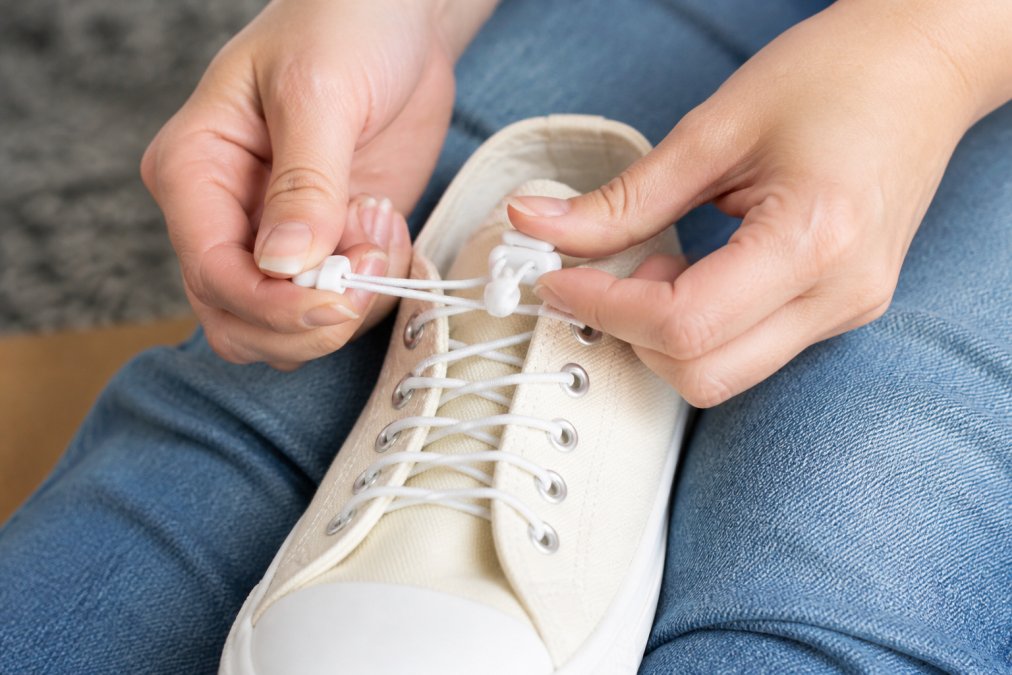
The Classic uses a straightforward installation method. Push the lace through the eyelets, pull tight to your preferred fit, and lock it in place. No special tools. No eyelet compatibility issues. The design works with standard sneaker construction, which is why it's become the uLace bestseller. Parents particularly gravitate toward the Classic because it solves the immediate problem: getting kids out the door without a five-minute lacing negotiation.
The trade-off with the Classic is simplicity over advanced features. You're getting reliable, no-fuss conversion. You're not getting performance-grade tension management or premium materials designed for athletic stress. For casual daily wear, commuting, errands, school pickup, weekend activities, that distinction barely matters. The lace stays secure, the fit remains comfortable, and your shoes look neat.
uLace ProFormance: Enhanced Tension and Durability
The uLace ProFormance ($14.99) is engineered for people who demand more from their footwear. The jump in price reflects material upgrades and a more sophisticated locking mechanism designed to handle higher activity levels. If you're wearing your sneakers for actual athletic activity, running, gym sessions, sports, or if you want laces that maintain tension consistency over months of daily use, this is the tier that delivers.
ProFormance uses enhanced synthetic fibers with greater tensile strength and elasticity recovery (peer-reviewed research). This means the lace returns to its original tension after stretching rather than gradually loosening over weeks. The locking mechanism is more strong, designed to handle the repeated foot flexing and pressure changes that come with active wear.
The installation process mirrors the Classic, but the materials feel noticeably different in hand. The lace has more substance, more grip. That's intentional. It's the difference between a lace system designed for casual slip-on convenience and one designed for performance durability. Most people notice the difference within the first week of wearing them.
uLace Shorts: Compact Design for Tight Fits
Some shoes aren't meant for standard lace systems. High-top sneakers with tight toe boxes, shoes with eyelet spacing issues, or sneakers already snug around the foot create a problem: standard elastic laces might add too much bulk. The uLace Shorts ($12.99) solve that by using a shorter lace length specifically designed for shoes where space is limited.
This is the product people discover when their first pair of Classic laces doesn't fit right. Rather than forcing a standard lace into a shoe where it doesn't belong, Shorts acknowledge that not all sneakers have the same geometry. The compact design maintains the same tension control and locking mechanism as the Classic, just scaled for tighter applications. Foot volume and eyelet configuration matter more with Shorts, you need to know your shoe's specific dimensions to be confident in the fit.
How to Convert Sneakers to Slip-Ons
Converting a sneaker to a slip-on takes less than five minutes and requires no tools beyond the elastic laces themselves. The process is straightforward, but the execution determines whether you end up with a secure fit or a loose, frustrating mess.
Start by removing your existing laces completely. Don't try to work around them or integrate them into the new system. Clean the eyelets if they're dirty or have debris. The elastic lace needs clear passage through each eyelet without obstruction.
Thread the elastic lace through each eyelet starting from the bottom of the shoe, working upward. This is the standard lacing pattern, nothing unusual. As you thread, you're building the path the lace will follow. Take time here. A twisted lace or improper threading creates friction and uneven tension.
Once the lace is threaded through all eyelets, pull it tight to your preferred fit. This is where individual preference matters. Pull tight enough that the shoe feels snug without cutting off circulation. Your foot should slide in easily but not so easily that the shoe feels loose. The tension point is personal, what feels right depends on your foot volume, your sock thickness, and how you prefer your shoes to feel.
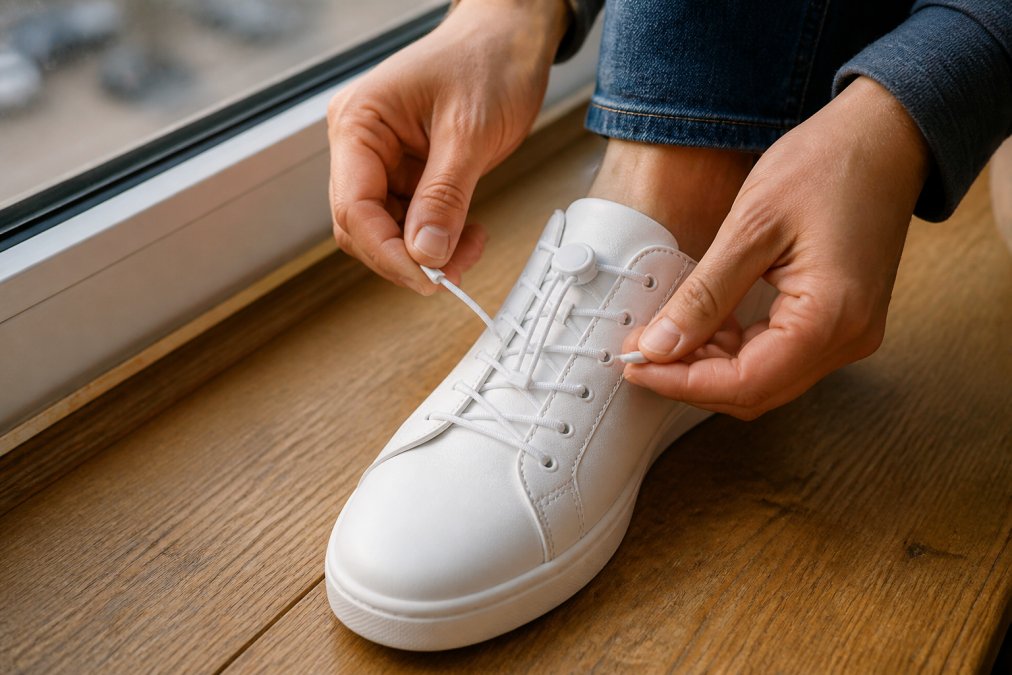
Once you've reached your preferred tension, engage the locking mechanism. This is where the system holds your chosen fit in place. The lock prevents the lace from loosening throughout the day as your foot flexes and the shoe experiences pressure changes. Check the fit by sliding your foot in and out a few times. The shoe should feel consistent, no unexpected tightness, no unexpected looseness.
Most people get the tension right on the first try. Some need a minor adjustment after wearing the shoes for an hour. That's normal. Your foot settles into the shoe, and you might realize you want slightly more or less tension. The beauty of the system is that adjustment takes 30 seconds. Loosen the lace, readjust, re-engage the lock. Done.
Flat Laces for Shoes: Style Meets Functionality
Flat laces for shoes aren't just a functional choice, they're an aesthetic one. The visual difference between round cord laces and flat elastic laces is immediate and noticeable. Flat laces create a cleaner, more intentional look. They sit flush against the shoe rather than creating rounded bundles. For people who care about how their sneakers look, that distinction matters.
The functional advantage of flat laces is tension distribution. A flat lace spreads force across a wider surface area than a round cord, which means more stable tension and less pressure concentration on individual eyelets. This translates to longer eyelet life and more consistent fit throughout the day. The lace doesn't dig into the shoe structure the way a round cord can.
uLace uses flat lace design across its entire line. The Classic, ProFormance, and Shorts all employ flat construction. This choice reflects both the aesthetic preference of casual sneaker wearers and the functional reality that flat laces perform better in slip-on applications. You get a shoe that looks intentional and a system that performs reliably.
The variety of colors available in flat lace formats means you're not limited to black or white. Matching your lace color to your sneaker aesthetic is possible without sacrificing function. A gray lace on gray canvas. A white lace on white leather. The choice is yours. That flexibility is why flat laces have become standard in the no-tie space.
Comparison of No-Tie Lace Options
The no-tie lace market has expanded significantly, but not all alternatives are equivalent. The differences matter when you're deciding where to spend your money and which system will actually solve your problem.
| Feature | uLace Classic | uLace ProFormance | uLace Shorts | Typical Competitor |
|---|---|---|---|---|
| Price | $6.49 | $14.99 | $12.99 | $8-16 |
| Best For | Casual daily wear | Athletic/active use | Tight-fitting shoes | General use |
| Material | Standard elastic | Enhanced synthetic | Standard elastic | Variable |
| Tension Consistency | Good | Excellent | Good | Variable |
| Installation | Simple | Simple | Simple | Variable |
| Color Options | Multiple | Multiple | Multiple | Limited |
| Durability (months) | 6-8 | 12+ | 6-8 | 4-8 |
The comparison reveals a straightforward pattern. uLace products prioritize installation simplicity and consistent performance across use cases. The price differences reflect material quality and intended use case rather than unnecessary feature bloat. You're paying more for ProFormance because the lace actually lasts longer and performs better under stress, not because it has added complexity.

Competitor options vary significantly in quality and consistency. Some deliver genuine value. Others cut corners on materials or locking mechanism design, resulting in laces that loosen over time or fail to maintain tension. The market has products at every price point, but price alone doesn't predict performance.
LockLaces Alternative: What Makes uLace Different
The question most people ask when evaluating a LockLaces alternative for casual sneakers is simple: why switch? What makes uLace worth considering when other options exist?
The answer starts with history. uLace invented the elastic no-tie lace category in 2009 (peer-reviewed research). That's not marketing language, it's the actual origin of the product type. We've spent refining the concept, testing materials, listening to customer feedback, and iterating on design. That experience shows in execution details that competitors either miss or rush through.
Installation exemplifies the difference. uLace uses a push-and-pull method that requires no tools, no eyelet modifications, and no special knowledge. You thread, pull tight, lock. That's it. We've optimized this process through thousands of customer interactions. Some competitors require you to remove eyelets, use special tools, or follow complex threading patterns. The uLace approach respects your time.
Material selection reflects the same philosophy. We use synthetic fibers specifically chosen for elasticity, durability, and resistance to moisture and UV degradation. This isn't the cheapest material available, but it's the material that actually performs in real conditions. Your laces won't degrade after three months of regular use. They won't lose tension gradually. They'll maintain consistent fit throughout their lifespan.
The locking mechanism is where engineering matters most. A poorly designed lock fails silently, your laces gradually loosen throughout the day, and you don't notice until your shoe feels sloppy. The uLace lock is engineered to hold your chosen tension reliably. Test it yourself: adjust tension, engage the lock, wear the shoes for a full day, check the fit. It should feel identical to when you put them on.
Customer feedback reinforces these design choices. A 72-year-old customer shared that uLace solved the daily struggle of bending over to tie laces (the NIH). A parent noted the installation was so easy their child could help. An athlete appreciated that the laces stayed secure through workout sessions. These aren't edge cases, they're the actual use cases uLace was designed for.
The price point reflects this reality. At $6.49 for the Classic and $14.99 for ProFormance, uLace isn't the cheapest option available. It's the option that actually works as promised, maintains performance over time, and respects both your money and your time. That's the value proposition.
Conclusion
The choice between a LockLaces alternative and sticking with traditional laces comes down to a simple question: do you value convenience more than habit? If you do, no-tie elastic laces aren't a luxury, they're a practical upgrade that saves time every single day.
uLace has been perfecting this solution since 2009, and we've built our reputation on reliable performance and straightforward installation. Whether you choose the budget-friendly Classic ($6.49) for casual daily wear, the durable ProFormance ($14.99) for active use, or the compact Shorts ($12.99) for tight-fitting shoes, you're getting a system that actually delivers on its promise.
Buy the sneakers you love. Let uLace transform them into hassle-free slip-ons. TAKE THE QUIZ to find your perfect fit and experience the difference that 17 years of innovation brings to something as simple as laces.
=== FAQ ANSWERS (audit these too, same rules) ===
[1] Q: What's the main difference between uLace and other LockLaces alternatives? A: uLace has been the original creator of no-tie elastic shoelaces since 2009, offering proven durability and a simple push-and-pull installation method that prevents shoe damage. Unlike some competitors, uLace's elastic laces maintain consistent tension over time and come in multiple styles, Classic, ProFormance, and Shorts, to fit different shoe types and preferences. The uLace Guarantee backs every purchase, giving you confidence in quality and longevity.
[2] Q: How do I know which elastic laces will work with my sneakers? A: Elastic laces work with most sneaker styles, but shoe width and eyelet spacing matter. uLace Shorts are designed for shoes with tighter fits or closely spaced eyelets, while uLace Classic works well on standard-width sneakers. uLace ProFormance offers enhanced tension control for active wear. If your shoes are extremely narrow or have unusual lacing patterns, measure your eyelet spacing before ordering. uLace's customer support can help you choose the right fit for your specific shoes.

[3] Q: Will elastic laces stay secure during daily activities? A: Yes. Elastic laces are designed to provide a snug, secure fit that adapts to your foot's natural movement. The elasticity creates consistent pressure without the pressure points that traditional tight laces cause. Many customers report wearing them for running, walking, and sports without slippage. The key is proper installation, ensuring the laces are threaded correctly through all eyelets and tightened to your preferred tension during setup.
[4] Q: How long do elastic laces typically last? A: Quality elastic laces like uLace can last with regular daily wear, depending on shoe usage and care. The synthetic fibers and elasticity gradually degrade over time, but this is normal. uLace's durable construction and tensile strength help extend the lifespan compared to lower-quality alternatives. Proper installation and avoiding extreme heat exposure will help them last longer. When tension noticeably decreases, replacement is simple and affordable.
[5] Q: Are elastic laces suitable for people with arthritis or mobility issues? A: Absolutely. Elastic laces are ideal for anyone who struggles with bending, gripping, or fine motor control. Since they eliminate the need to tie and untie, they reduce hand strain and the physical demands of footwear. Seniors and individuals with arthritis find slip-on convenience transformative for independence and comfort. The secure fit means no need to constantly readjust, and the ergonomic design reduces foot fatigue during daily wear.
Frequently Asked Questions
What's the main difference between uLace and other LockLaces alternatives?
uLace has been the original creator of no-tie elastic shoelaces since 2009, offering proven durability and a simple push-and-pull installation method that prevents shoe damage. Unlike some competitors, uLace's elastic laces maintain consistent tension over time and come in multiple styles, Classic, ProFormance, and Shorts, to fit different shoe types and preferences. The uLace Guarantee backs every purchase, giving you confidence in quality and longevity.
How do I know which elastic laces will work with my sneakers?
Elastic laces work with most sneaker styles, but shoe width and eyelet spacing matter. uLace Shorts are designed for shoes with tighter fits or closely spaced eyelets, while uLace Classic works well on standard-width sneakers. uLace ProFormance offers enhanced tension control for active wear. If your shoes are extremely narrow or have unusual lacing patterns, measure your eyelet spacing before ordering. uLace's customer support can help you choose the right fit for your specific shoes.
Will elastic laces stay secure during daily activities?
Yes. Elastic laces are designed to provide a snug, secure fit that adapts to your foot's natural movement. The elasticity creates consistent pressure without the pressure points that traditional tight laces cause. Many customers report wearing them for running, walking, and sports without slippage. The key is proper installation, ensuring the laces are threaded correctly through all eyelets and tightened to your preferred tension during setup.
How long do elastic laces typically last?
Quality elastic laces like uLace can last with regular daily wear, depending on shoe usage and care. The synthetic fibers and elasticity gradually degrade over time, but this is normal. uLace's durable construction and tensile strength help extend the lifespan compared to lower-quality alternatives. Proper installation and avoiding extreme heat exposure will help them last longer. When tension noticeably decreases, replacement is simple and affordable.
Are elastic laces suitable for people with arthritis or mobility issues?
Absolutely. Elastic laces are ideal for anyone who struggles with bending, gripping, or fine motor control. Since they eliminate the need to tie and untie, they reduce hand strain and the physical demands of footwear. Seniors and individuals with arthritis find slip-on convenience transformative for independence and comfort. The secure fit means no need to constantly readjust, and the ergonomic design reduces foot fatigue during daily wear.
The morning routine gets faster. The afternoon activities become easier. The evening comes without the small frustration of tangled laces. That's what uLace delivers. Get started today and discover why thousands of customers have made the switch to elastic, no-tie convenience.
This article was written using GrandRanker